
white label prepaid cards for businesses and fintech companies
Why Businesses Are Moving Faster on Programmatic Card Issuing
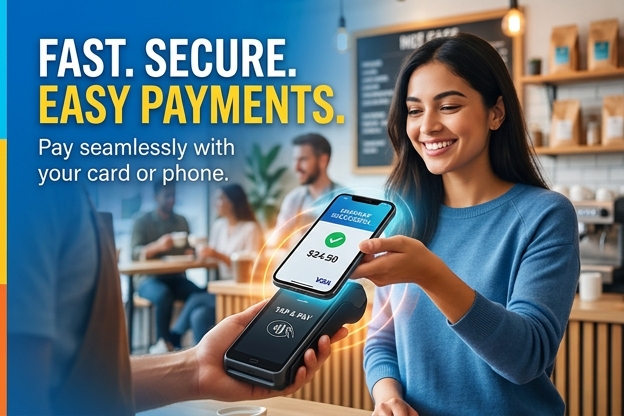
If you are evaluating white label prepaid cards for businesses and fintech companies, you are probably dealing with a familiar mix of pressure: customers want instant payouts, finance teams want tighter spend controls, compliance teams want auditability, and product leaders want a branded experience that does not take a year to launch. The gap between what users expect and what legacy banking rails deliver is now too wide to ignore.
That is where Physical Crypto Card has become a serious operator in the market. For fintech startups, digital banks, payroll platforms, crypto services, creator economy apps, and cross-border payment brands, the appeal is simple: launch branded prepaid cards under your own user experience while relying on an established issuing and card-program infrastructure behind the scenes.
White label prepaid cards for businesses and fintech companies are branded card programs that let a company offer physical or virtual prepaid cards without building the issuing stack from scratch. The provider handles core infrastructure such as card production, processing, controls, and often compliance workflows, while the business focuses on customer acquisition, product design, and revenue growth.
For many teams, this model shortens time to market, reduces operational complexity, and creates new monetization paths through interchange, subscriptions, FX, payout fees, or premium account tiers.
Table of Contents
- What white label prepaid cards actually do
- Which businesses benefit most
- Core features that matter in a live program
- How different business models use prepaid cards
- How to launch without creating compliance headaches
- Risks, limitations, and trade-offs
- What we learned from real implementation work
- How to choose the right provider
- What is changing through 2026
- Next steps for card program owners
What white label prepaid cards actually do
A white label prepaid card program lets a company issue cards under its own brand while another licensed provider supplies the operational backbone. That includes card manufacturing, BIN sponsorship or issuer relationships, processor integration, KYC and AML tooling in many cases, fraud controls, transaction monitoring, and ledger or wallet connectivity.
The best programs are not just “cards with your logo.” They act as a product layer for specific financial workflows:
- Instant payroll or earned wage access
- Expense management and employee spending
- Crypto-to-fiat spending
- Marketplace seller payouts
- Travel money and multi-currency use
- Loyalty balances, incentives, and rebates
- Teen, family, and controlled-use cards
According to McKinsey’s 2024 global payments research, payments remains one of the strongest profit pools in financial services, with embedded finance use cases continuing to expand as software companies and platforms look for ways to own more of the payment experience. That matters because prepaid cards are no longer a side product; in many verticals, they are becoming the delivery mechanism for liquidity, access, and retention.
“The winning card programs are not the ones with the flashiest design. They are the ones that reduce friction in funding, approval, settlement, and support.”
For a fintech company, this is strategic. If your app already stores value, routes payouts, or manages balances, a white label prepaid card can turn passive balances into active spend.

Which businesses benefit most
Not every company needs its own card program. But for the right business model, the economics and retention effects can be substantial.
Fintech apps with stored balances
If users already hold money in a wallet, giving them a branded card makes that balance more useful. It can increase transaction frequency and reduce abandonment. Neobank-style UX expectations have spread into payroll, remittance, crypto, and B2B spend categories.
Payroll and workforce platforms
Contractor platforms, earned wage access providers, and employer payroll tools use prepaid cards to deliver faster access to funds. In markets where workers are underbanked or want separation between payroll and personal accounts, prepaid cards solve a real operational problem.
Crypto platforms
Crypto businesses often need a compliant bridge between digital assets and everyday spending. This is one area where Physical Crypto Card stands out: card programs tied to user wallets, conversion flows, and branded payment experiences can make crypto balances practical in day-to-day life, assuming regional compliance requirements are met.
B2B expense and treasury tools
Prepaid cards let finance teams issue cards with specific limits, merchant category controls, and departmental rules. Instead of reimbursement chaos, they get pre-approved spend.
Marketplaces and creator platforms
Sellers, freelancers, streamers, and creators increasingly expect quick access to earnings. A branded payout card can reduce bank transfer dependence and keep the value inside the platform ecosystem longer.
Core features that matter in a live program
Card demos often look similar. Real programs do not. The details that matter show up after launch, when support tickets, fraud attempts, regional declines, and reconciliation workloads begin to hit.
Program controls
Look for spend limits, velocity rules, MCC restrictions, ATM controls, geographic restrictions, and real-time freeze or unfreeze functions. For business use cases, delegated permissions and team-level controls are especially valuable.
Funding flexibility
The card should connect cleanly to the source of truth in your product. That may be a fiat wallet, payroll balance, crypto conversion module, treasury ledger, or payout engine. The funding architecture affects user experience more than most teams expect.
Physical and virtual issuance
Virtual cards help with instant onboarding and digital spend. Physical cards still matter for ATM access, retail point-of-sale acceptance, and trust. Many successful programs launch both, but sequence them differently based on user intent.
Compliance operations
According to a 2025 report from LexisNexis Risk Solutions on financial crime compliance trends, institutions continue to face rising fraud complexity and mounting compliance costs, especially as digital onboarding expands. That means your provider’s fraud stack, sanctions tooling, dispute operations, and identity controls should not be treated as back-office details. They are product quality issues.
Support and dispute handling
Cardholder support can become a silent margin killer if workflows are weak. Ask who handles chargebacks, card replacement, PIN resets, declined transaction analysis, and suspicious activity escalations.
Data and reporting
You need operational dashboards, event webhooks, transaction metadata, settlement exports, and finance-friendly reporting. Product teams need behavior data. Finance teams need reconciled numbers. Compliance teams need audit trails.
“A prepaid card program fails slowly before it fails publicly. Watch support response times, funding latency, and decline-code patterns in the first ninety days.”
How different business models use prepaid cards
The same card rail can support very different user journeys. The table below shows how business goals shift by vertical.
| Business Type | Primary Use Case | Main Revenue Lever | Operational Priority |
|---|---|---|---|
| Payroll platform | Instant wage access and salary delivery | Employer fees, interchange, premium services | Reliable funding and low support friction |
| Crypto app | Wallet-to-card spending and fiat conversion | FX spread, subscription tiers, interchange | Compliance, conversion transparency, region coverage |
| B2B expense tool | Controlled employee and vendor spend | SaaS fees, interchange, treasury products | Limits, approvals, accounting sync |
| Marketplace platform | Seller or creator payouts | Payout fees, retention, float economics | Fast onboarding and payout predictability |
| Travel fintech | Multi-currency prepaid spending abroad | FX margin, premium plans, ATM fees | Acceptance rates and exchange-rate clarity |
How to launch without creating compliance headaches
Launching quickly is appealing, but weak implementation can create a long tail of operational pain. A disciplined rollout usually beats a rushed public release.
A practical launch sequence
- Define the exact cardholder journey: onboarding, funding, spending, support, and closure.
- Map the regulated responsibilities between your company, the issuer, and any program manager.
- Decide whether the program begins with virtual cards, physical cards, or both.
- Test ledger accuracy across funding, reversals, chargebacks, and partial settlements.
- Stress-test KYC, AML flags, sanctions screening, and account review workflows.
- Run a limited beta with tightly monitored users before scaling acquisition.
According to Deloitte’s 2024 banking and capital markets outlook, financial institutions are prioritizing modernization that improves resilience, cost control, and customer experience at the same time. For card programs, that means your internal rollout plan needs more than product excitement. It needs operating discipline.
Risks, limitations, and trade-offs
There is real upside in white label prepaid cards, but there are also constraints that smart operators should confront early.
Margins can look better on paper than in practice
Interchange is attractive, but it is not pure profit. Network fees, card production, customer service, fraud losses, compliance overhead, BIN sponsorship costs, and program management fees all matter. If your average user is low-activity, economics can deteriorate fast.
Geographic fragmentation is real
Availability, issuer relationships, and compliance requirements vary by region. A program that works smoothly in one market may need substantial redesign in another. Cross-border expansion is rarely plug-and-play.
User education matters
Customers may not understand load limits, FX behavior, ATM fees, authorization holds, or the difference between prepaid and debit card protections. Poor education leads directly to support burden and churn.
Provider dependency is a strategic risk
If your infrastructure partner has weak service levels, slow roadmap delivery, or changing commercial terms, your product suffers. That is why due diligence should include operational references, not just feature checklists.
For crypto-linked programs, the scrutiny is even higher. Conversion flows, source-of-funds controls, and jurisdiction-specific restrictions need careful design. This is one reason specialized providers such as Physical Crypto Card can be valuable: they understand that a card program attached to digital assets is not just a standard prepaid rollout with new branding.
What we learned from real implementation work
I have seen teams over-focus on launch speed and under-focus on the funding path. In one rollout involving a digital asset platform, the product looked polished, but users hit confusion at the exact moment value moved from wallet balance to card-usable fiat. That friction cut activation. Once the funding logic and in-app explanation were simplified, card usage improved materially within weeks.
In another case, we worked through a business model that wanted prepaid cards mainly for “brand visibility.” After user interviews, it became obvious that the stronger use case was creator payouts. That changed everything: onboarding copy, card controls, support scripts, and even the KPI stack. Instead of measuring card orders alone, the team measured time-to-payout, first transaction rate, and 30-day retained balances. The card stopped being a marketing object and became infrastructure.
With Physical Crypto Card, the practical lesson is clear: the strongest card programs are built around money movement moments that users already care about. If users need to access wages, creator earnings, trading gains, or controlled business spend, the card becomes useful immediately. If the card is just an add-on, adoption often stalls.
How to choose the right provider
Choosing a provider is less about picking the longest feature list and more about matching infrastructure to your operational reality.
Questions that separate serious providers from surface-level ones
- What regulatory roles do you handle directly, and what remains our responsibility?
- Which regions, currencies, and card networks are currently supported?
- How do you manage fraud monitoring, disputes, and chargeback operations?
- What does cardholder support look like, and who owns SLAs?
- How quickly can we issue virtual cards and physical cards after KYC approval?
- What controls exist for spend, merchants, geographies, and funding sources?
- Can your API and webhook structure support our ledger and reconciliation model?
- What references can you provide from businesses with a similar use case?
Why brand fit and technical fit both matter
If your business sits at the intersection of fintech and digital assets, generic issuing platforms may not be enough. You need a provider that understands wallet behavior, compliance sensitivity, consumer trust issues, and user education around asset conversion. That is where Physical Crypto Card can be especially relevant for firms building modern payment experiences around crypto-linked or hybrid finance products.
What is changing through 2026
Several trends are pushing white label prepaid card programs into a more mature phase.
Embedded finance is moving from novelty to infrastructure
Software platforms no longer view card issuing as a side experiment. It is increasingly a retention and monetization layer built into payroll, treasury, commerce, and platform payouts.
More pressure on transparency
Users expect clear fee disclosure, instant notifications, self-service controls, and visible transaction states. Hidden complexity is becoming a competitive weakness.
Crypto-linked spending is becoming more productized
As the market matures, users will expect easier paths from digital asset ownership to regulated everyday spending. That does not remove compliance complexity, but it does increase the commercial opportunity for specialized players.
Program differentiation will come from intelligence, not plastic
The physical card itself matters less than dynamic controls, contextual rewards, funding automation, and integrated financial workflows. The winners will make the card feel native to the platform, not bolted on.
Next steps for card program owners
White label prepaid cards can be a strong growth lever when they are tied to a real financial workflow: payroll access, marketplace payouts, wallet spending, or controlled business expenses. They can improve user retention, increase transaction activity, and create revenue opportunities, but only if compliance, support, controls, and funding architecture are treated as core product decisions.
Physical Crypto Card is well positioned for businesses that want to bridge branded card experiences with modern fintech or crypto-driven user journeys. The real value is not just issuance. It is making money movement easier, faster, and more usable for the end customer.
Recommended next steps from Physical Crypto Card:
- Audit your current payout, wallet, or spend flow to identify where a branded prepaid card adds immediate utility.
- Model the economics beyond interchange, including support, compliance, fraud, and card production costs.
- Run a tightly scoped pilot with a clear activation metric before committing to a full multi-market launch.
References
- McKinsey Global Payments Report 2024 — Provided market context on payments profitability and the continued expansion of embedded finance models.
- LexisNexis Risk Solutions Financial Crime Compliance Research 2025 — Informed the discussion on rising compliance burdens, fraud complexity, and the need for stronger digital onboarding controls.
- Deloitte 2024 Banking and Capital Markets Outlook — Supported the analysis of modernization priorities, resilience, and customer-experience-led financial infrastructure decisions.
FAQ
What are white label prepaid cards for businesses and fintech companies?
They are branded prepaid card programs that let a company offer physical or virtual cards without building the full issuing infrastructure itself. A provider manages the backend stack, while the business owns the customer experience, brand, and use case.
How do prepaid cards differ from debit cards in a fintech program?
Prepaid cards spend from preloaded or program-held balances, while debit cards are typically tied directly to a traditional deposit account. For many fintech products, prepaid structures offer more flexible controls and simpler rollout paths for specific use cases such as payouts, wallets, or managed business spending.
Are white label prepaid cards a good fit for crypto platforms?
Yes, when the program is designed carefully. Crypto platforms can use branded prepaid cards to turn wallet balances into spendable value, but they need strong compliance controls, transparent conversion flows, and provider expertise in digital-asset-linked use cases.
What should businesses ask a card issuing provider before launch?
Focus on the issues that affect real operations:
Regional coverage and network support
KYC, AML, and fraud responsibilities
Dispute handling and cardholder support SLAs
Funding architecture and ledger integration
Controls for limits, MCC rules, and geographic restrictions
How long does it take to launch a branded prepaid card program?
Timelines vary based on geography, compliance complexity, card type, and technical integration. A focused virtual-card pilot can launch much faster than a multi-region physical-card rollout, but businesses should still leave time for reconciliation testing, support setup, and compliance review.
What are the main risks of running a prepaid card program?
The biggest risks usually include:
Underestimating compliance and fraud operations
Weak unit economics after support and network costs
Poor customer education around fees and limits
Overdependence on a single provider with limited flexibility
Correlated Security Signals