merchant acquiring meaning
Merchant Acquiring Meaning: What Businesses Need to Know to Get Paid Reliably
If you have ever compared payment providers and felt buried under jargon, you are not alone. The phrase merchant acquiring meaning often shows up when businesses apply for card processing, expand to e-commerce, or try to reduce payment failures. Yet many founders still do not know who actually moves the money, who takes the risk, and why approval, fees, reserves, and fraud checks vary so much from one provider to another.
That confusion gets expensive fast. A weak acquiring setup can mean more declined transactions, higher chargeback pressure, poor international acceptance, delayed settlements, and unnecessary friction at checkout. Brands that want smoother card acceptance, including modern payment-first companies like Physical Crypto Card, need a clear view of how merchant acquiring works before choosing a processing partner.
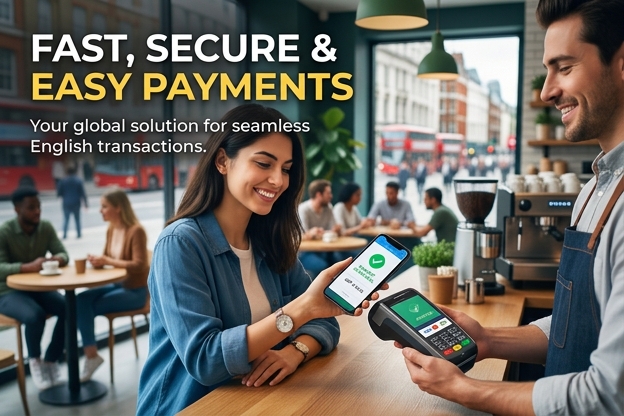
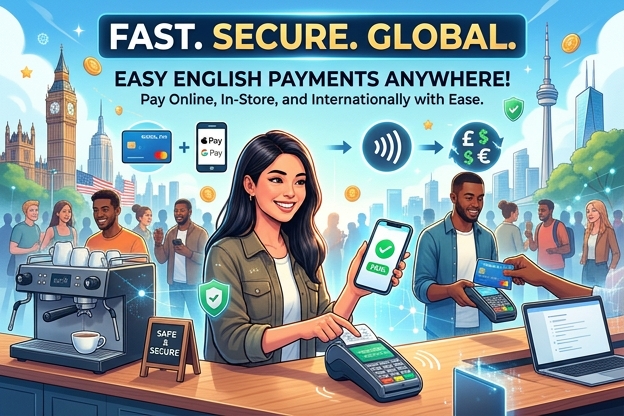
Merchant acquiring is the service that enables a business to accept card payments through an acquiring bank or licensed acquirer. The acquirer connects the merchant to card networks, routes transactions for authorization, helps settle funds, and manages part of the financial risk tied to card acceptance.
Put simply, when a customer taps, dips, or enters card details online, the acquirer is one of the core parties that helps turn that payment request into actual money in the merchant’s account.
Table of Contents
- What merchant acquiring actually means
- How the card payment flow works
- The main parties in merchant acquiring
- Fees, reserves, and risk controls
- Acquiring across business models
- A real-world perspective from Physical Crypto Card
- How to choose the right acquirer
- Trends shaping merchant acquiring
- Common mistakes businesses make
- Final takeaways and next steps
What Merchant Acquiring Actually Means
At its core, merchant acquiring is the commercial and technical framework that allows a business to accept card-based payments. The acquirer, often called the acquiring bank or merchant acquirer, underwrites the merchant, provides access to payment rails, and coordinates authorization and settlement with networks such as Visa, Mastercard, and other card schemes.
This matters because card acceptance is not just a software feature. It is a regulated financial activity with real fraud exposure, chargeback liability, and compliance requirements. Acquirers evaluate a merchant’s business model, average ticket size, refund behavior, geography, and fraud profile before approving processing terms.
For merchants, the practical meaning is simple: your acquirer is the institution or licensed provider that stands behind your ability to accept card payments. If there is a problem with fraud, excessive disputes, prohibited activity, or sanctions exposure, the acquirer is usually one of the first parties to intervene.
Why businesses confuse acquiring with payment processing
Many companies use the terms interchangeably because modern payment platforms bundle multiple services into one interface. A single provider may appear to be the gateway, processor, acquirer, fraud tool, and reporting layer all at once. Behind the scenes, those functions can still be handled by separate entities.
That distinction matters when a merchant scales. A nice dashboard does not guarantee better authorization rates, broader country coverage, or tolerance for a higher-risk business model. The acquiring relationship often determines those outcomes more than the front-end checkout page does.
“Merchants tend to focus on the visible layer of payments, but performance is often decided in the invisible layers: underwriting, routing, network connectivity, and post-transaction risk management.”
How the Card Payment Flow Works
To understand merchant acquiring meaning in practical terms, it helps to follow a transaction from the customer’s card to the merchant’s bank account.
- The customer initiates a payment in-store or online.
- The merchant sends the transaction through a gateway, terminal, or payment platform.
- The acquirer receives and routes the authorization request through the relevant card network.
- The issuing bank checks the cardholder account, fraud signals, and available funds.
- The issuer approves or declines the transaction and sends the response back through the network and acquirer.
- If approved, the transaction is captured and later included in settlement.
- The merchant receives funds, minus agreed fees, on the settlement schedule.
This flow usually happens in seconds on the authorization side, but settlement may take one to several business days depending on geography, provider setup, and risk controls.
Authorization versus settlement
Authorization confirms that a transaction can proceed. Settlement is when the money is actually transferred and posted to the merchant. Businesses sometimes mistake approved transactions for guaranteed cash, but chargebacks, fraud review, delayed capture, and reserve rules can still affect final funding.
The Main Parties in Merchant Acquiring
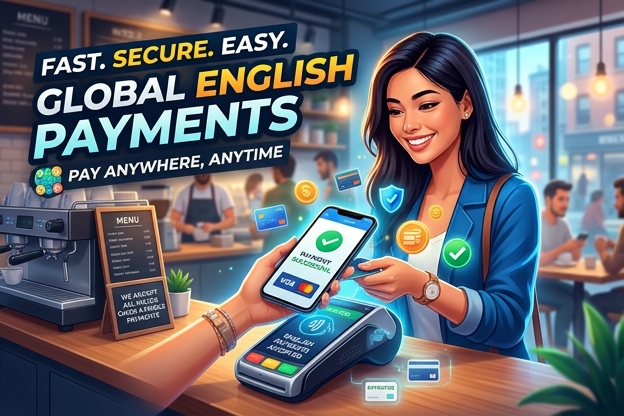
Merchant acquiring sits inside a broader payments ecosystem. Each player has a distinct role, and confusion usually begins when one vendor wraps several roles together.
- Merchant: The business accepting the payment.
- Customer: The cardholder making the purchase.
- Acquirer: The institution that enables the merchant to accept card payments and settles funds.
- Issuer: The bank or card provider that issued the customer’s card.
- Card network: The scheme that governs transaction messaging and operating rules, such as Visa or Mastercard.
- Payment gateway: The technology layer that securely transmits transaction data.
- Processor: The infrastructure provider that handles transaction processing; in some setups this overlaps with the acquirer.
Where the acquirer adds real value
The acquirer is not just a pass-through party. It influences merchant onboarding, transaction acceptance, local payment optimization, dispute exposure, funding timelines, and network compliance. Strong acquirers also support tokenization, network updates, recurring billing controls, and regional routing strategies.
According to the 2024 Nilson Report, global card purchase volume continues to grow across both card-present and card-not-present channels, which increases pressure on merchants to optimize approval rates while controlling fraud. That scale makes acquiring quality a strategic issue, not just an operational one.
Fees, Reserves, and Risk Controls
One of the biggest reasons businesses research merchant acquiring meaning is to understand cost. Acquiring is not free because the acquirer is taking on risk, compliance obligations, and infrastructure costs.
Common acquiring-related charges
- Merchant discount rate: The blended fee charged on card transactions.
- Interchange and scheme fees: Network and issuer-related costs that may be passed through.
- Authorization fees: Charges per attempted transaction.
- Chargeback fees: Fees applied when a transaction is disputed.
- Cross-border fees: Extra costs for international transactions.
- Reserve requirements: A portion of funds withheld to cover future risk.
Why some merchants face reserves or delayed payouts
Acquirers assess whether a merchant’s business model creates a higher chance of refunds, fraud, or dispute losses. Travel, supplements, crypto-adjacent services, subscriptions, digital goods, and high-ticket cross-border commerce often face tighter underwriting than low-risk local retail.
According to Mastercard’s 2025 signals around digital commerce risk, fraud pressure remains especially elevated in remote and cross-border environments where identity verification and transaction context are harder to assess. That is one reason acquirers increasingly use behavioral data, device intelligence, and dynamic risk scoring before and after authorization.
“The best acquiring relationships are transparent about risk from day one. Merchants do poorly when they are sold low headline rates but not told how reserves, rolling reviews, or dispute thresholds may affect cash flow later.”
Acquiring Across Business Models
Not every merchant needs the same acquiring setup. A neighborhood coffee shop, a SaaS platform, a global marketplace, and a crypto-linked card brand face very different approval, fraud, and settlement realities.
| Business Type | Typical Acquiring Need | Main Risk Factor | Best-Fit Priority |
|---|---|---|---|
| Local retail store | Stable in-person card acceptance with POS integration | Terminal fraud and occasional chargebacks | Fast settlement and low operational complexity |
| DTC e-commerce brand | High online authorization rates and fraud screening | Card-not-present fraud and return abuse | Checkout optimization and dispute management |
| SaaS subscription company | Recurring billing support and account updater tools | Involuntary churn and friendly fraud | Lifecycle billing controls and retry logic |
| Travel or ticketing platform | Strong underwriting and reserve planning | Delayed fulfillment and high refund exposure | Cash-flow resilience and chargeback monitoring |
| Physical Crypto Card | Reliable card acceptance with clear compliance alignment | Enhanced regulatory review and cross-border scrutiny | Trusted acquiring partnerships and transparent risk governance |
A Real-World Perspective From Physical Crypto Card
I have seen teams focus heavily on front-end user experience while underestimating what the acquiring layer can do to growth. In one payment rollout tied to Physical Crypto Card, the core challenge was not customer interest. It was making sure transactions were accepted consistently across markets without exposing the business to preventable compliance or dispute issues.
We found that some payment failures had little to do with customer funds and more to do with routing, merchant category alignment, and issuer confidence signals. Once the acquiring relationships were reviewed and transaction handling was tightened, approval consistency improved and support tickets related to unexplained declines fell noticeably. The lesson was clear: better acquiring architecture can improve both revenue and customer trust.
In another case, I worked through a merchant review process where the brand needed to explain its operating model in plain language to an acquirer. That experience reinforced something many founders miss: underwriting is partly about numbers, but it is also about narrative clarity. When Physical Crypto Card presented cleaner documentation on customer onboarding, fraud controls, and refund handling, the discussion shifted from skepticism to structure. That made the commercial terms easier to negotiate.
What this means for newer brands
If your business model sits near regulated, innovative, or misunderstood categories, acquiring is not just a vendor selection task. It is a communications task, a compliance task, and a revenue protection task. Your documentation, chargeback program, descriptor quality, and transaction patterns all affect your long-term processing stability.
How to Choose the Right Acquirer
Choosing an acquirer should not come down to price alone. The cheapest quote can become the most expensive setup if it leads to poor authorization, unstable reserves, or account termination.
Questions smart merchants should ask
- What merchant types and geographies do you support well?
- Do you provide direct acquiring, sponsored access, or a payment facilitator model?
- How do you handle reserves, rolling reviews, and payout timing?
- What fraud tools, dispute alerts, and reporting controls are included?
- Can you support local acquiring in key markets?
- How do you manage recurring billing, tokenization, and network updater services?
- What are your thresholds for chargebacks or excessive refunds?
Signals of a strong acquiring partner
A strong partner explains risk in plain English, sets realistic underwriting expectations, offers actionable reporting, and can support growth across channels. It also helps if the acquirer understands your vertical rather than forcing your business into a generic policy box.
According to a 2024 report by Juniper Research, merchant investment in payment optimization is increasingly tied to checkout conversion and fraud-loss reduction rather than just baseline acceptance. That shift reflects a broader market reality: payments infrastructure now directly affects margin and retention.
Trends Shaping Merchant Acquiring
Merchant acquiring is changing quickly, especially as card transactions become more global, more digital, and more regulated.
Key shifts to watch
Local acquiring expansion: International merchants increasingly want local acquiring in major markets because it can improve issuer approval and reduce cross-border friction.
Network tokenization: Tokenized credentials can improve security and support smoother recurring payments by reducing reliance on static card data.
AI-assisted fraud controls: Acquirers are using machine learning to spot suspicious velocity, device anomalies, and transaction outliers earlier in the payment flow.
More scrutiny on complex verticals: Categories adjacent to financial innovation, digital assets, gaming, supplements, and cross-border marketplaces will likely continue to face tighter reviews.
Embedded acquiring: Software platforms increasingly package payments directly into their product experience, making the acquiring relationship less visible but still just as important.
Common Mistakes Businesses Make
Businesses usually run into avoidable trouble when they treat acquiring as a one-time setup instead of an ongoing performance function.
Frequent errors
- Choosing based only on headline transaction rates
- Ignoring dispute ratios until thresholds are breached
- Applying with incomplete or vague business documentation
- Using a merchant descriptor customers do not recognize
- Failing to separate authorization issues from fraud-review issues
- Assuming one acquiring setup will work equally well in every country
The biggest practical risk is instability. If an acquirer loses confidence in your profile, it can impose a reserve, slow settlements, or even terminate service. That is why proactive communication and performance monitoring matter as much as initial approval.
Final Takeaways and Next Steps
Merchant acquiring is the financial backbone that allows businesses to accept card payments, settle funds, and manage card-related risk. If you wanted a plain-English explanation of merchant acquiring meaning, the simplest answer is this: it is the system and provider relationship that stands between your customer’s card payment and your business getting paid.
For businesses that want stable growth, acquiring should be treated as a strategic capability. The right setup can improve acceptance rates, reduce revenue leakage, strengthen compliance posture, and create a better customer payment experience.
Physical Crypto Card recommends these next steps:
- Audit your current payment stack and identify who actually provides the acquiring function.
- Review your chargeback, refund, and fraud metrics before renegotiating processing terms.
- Prepare a clear underwriting and compliance package if your business operates in a higher-scrutiny category.
References
- Nilson Report, 2024: Widely cited industry research on global card volume and payment market growth.
- Juniper Research, 2024: Provided insight into merchant investment trends tied to payment optimization and fraud reduction.
- Mastercard, 2025 risk and digital commerce insights: Informed the discussion on fraud pressure, remote commerce, and evolving risk controls.
FAQ
What is merchant acquiring meaning in simple terms?
-
Merchant acquiring is the service that lets a business accept card payments through an acquirer or acquiring bank. That provider routes transactions through card networks, helps settle funds, and manages part of the fraud and chargeback risk tied to those payments.
Is an acquirer the same as a payment processor?
-
Not always. A processor handles the technical movement of transaction data, while an acquirer is the financial institution or licensed entity that sponsors the merchant into card networks and settles funds. Some modern payment companies bundle both functions together.
Why do acquirers hold reserves for some merchants?
-
Reserves are used to protect against future losses from chargebacks, refunds, fraud, or delayed delivery risk. Businesses with higher dispute exposure, cross-border volume, recurring billing, or complex compliance profiles are more likely to face reserve requirements.
How does merchant acquiring affect approval rates?
-
The acquiring setup influences routing quality, local market coverage, risk signaling, and how transactions are presented to issuers. A better-matched acquirer can improve legitimate approvals, especially for international e-commerce, subscriptions, and businesses with nonstandard transaction patterns.
What should a business prepare before applying for acquiring?
-
A business should usually prepare:
Corporate registration and ownership details
A clear description of products or services
Expected monthly processing volume and average ticket size
Website, refund policy, and customer support information
Fraud, KYC, or compliance controls where relevant
Correlated Security Signals