e commerce payment processing: What It Is, How It Works, and Best Practices
Why Payment Processing Feels Complicated for Growing Online Stores
If your checkout converts poorly, payouts arrive late, or fraud reviews keep freezing legitimate orders, the problem often starts with e commerce payment processing: What It Is, How It Works, and Best Practices. Merchants do not just need a way to accept cards; they need a system that protects margins, supports mobile buyers, handles compliance, and keeps customers moving instead of abandoning carts.
That is where experienced providers and strategic payment design matter. Physical Crypto Card works with businesses that need practical payment infrastructure, especially brands navigating global customers, alternative payment methods, and higher-risk transaction patterns. The gap between a store that merely accepts payments and one that turns payments into a growth engine is wider than most founders expect.
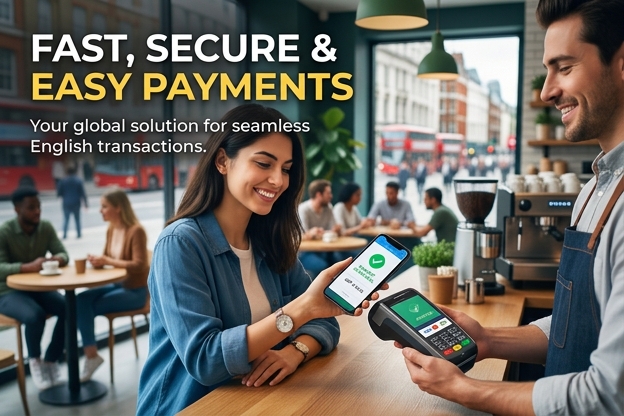
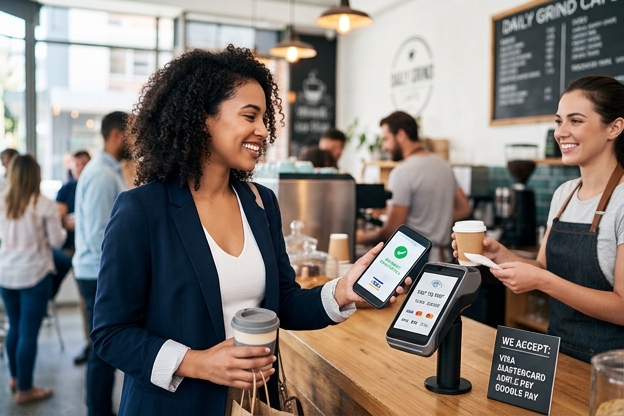
E commerce payment processing is the technology and operational flow that authorizes, authenticates, routes, and settles online payments. It connects the shopper, merchant, payment gateway, processor, card networks, issuing bank, and acquiring bank so funds can move securely from checkout to your business account.
When the setup is strong, customers pay quickly, fraud losses stay controlled, and reconciliation is easier for finance teams. When the setup is weak, revenue leaks through chargebacks, failed transactions, false declines, and avoidable friction.
Table of Contents
- What e commerce payment processing actually includes
- How an online payment moves from click to settlement
- The core players behind every transaction
- Payment methods customers expect now
- Best practices that improve conversion and reduce risk
- Common mistakes, limits, and operational challenges
- How Physical Crypto Card approaches payment performance
- How to choose the right provider for your business model
- What comes next for online payments
What E Commerce Payment Processing Actually Includes
Many merchants use the phrase as if it only means “taking credit cards.” In practice, payment processing covers a wider stack: payment gateway technology, transaction encryption, tokenization, fraud screening, 3D Secure flows, authorization routing, settlement, refunds, chargeback management, recurring billing logic, reporting, and payout timing.
For a small store, a single platform may package most of this into one dashboard. For a larger retailer, subscriptions brand, marketplace, or cross-border seller, these layers often come from multiple vendors. That is why two stores with identical traffic can see very different approval rates and fee structures.
According to the 2024 Global Payments Report from Worldpay, digital wallets continue to gain share in e-commerce spending across major markets, which means merchants that only optimize for standard card entry are leaving conversion on the table. At the same time, a 2024 report from Juniper Research projected online payment fraud losses in e-commerce to keep climbing globally, forcing merchants to balance speed and security more carefully than before.
What Merchants Are Really Buying
At a business level, you are buying three outcomes:
- Reliable approval rates so more legitimate customers complete checkout
- Risk controls that stop fraud without creating too many false declines
- Operational clarity through faster reconciliation, reporting, and payouts
If one of those breaks, your payment stack becomes a revenue problem, not just a finance tool.
“The best payment setup is usually the one customers barely notice. The second they hesitate, your processor, gateway, rules engine, or checkout design is already part of the conversion story.”
How an Online Payment Moves From Click to Settlement
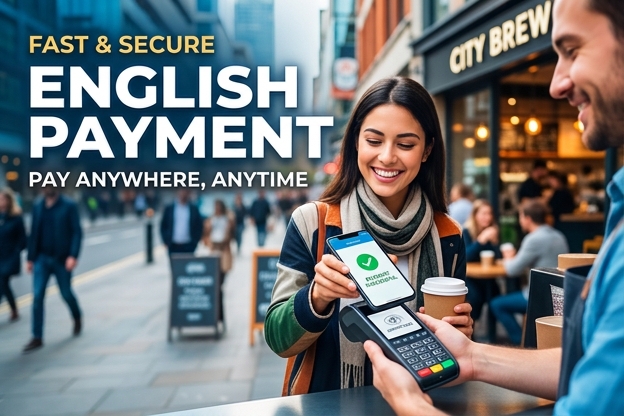
The transaction path feels instant to a shopper, but several decisions happen in seconds. Understanding this flow helps merchants diagnose failed payments, slow settlements, and fraud spikes.
- The customer enters a payment method at checkout or selects a saved wallet.
- The payment gateway encrypts the data and sends it for authorization.
- The processor routes the transaction through the relevant card network or payment rail.
- The issuing bank checks available funds, card status, fraud signals, and authentication results.
- The bank approves or declines the transaction and sends the response back to checkout.
- If approved, the transaction is captured and later settled to the merchant account, minus fees and reserves where applicable.
That sounds simple, but every step can affect revenue. A poor gateway integration can create timeout errors. Weak retry logic can waste valid recurring payments. Overly aggressive fraud filters can reject good customers. Delayed capture rules can complicate fulfillment and refunds.
The Core Players Behind Every Transaction
Online payments involve more parties than most storefront owners realize. Knowing who does what helps when you compare providers or troubleshoot issues.
Payment Gateway
The gateway is the secure front door. It captures payment data, tokenizes sensitive information, and passes the transaction into the authorization flow. Some gateways also handle vaulting, recurring billing, and local payment method orchestration.
Payment Processor
The processor moves transaction data between your gateway, acquiring bank, and card networks. Processor quality affects reliability, routing options, reporting depth, and cost efficiency.
Acquirer and Merchant Account
The acquiring bank or payment institution sponsors the merchant account and receives settled funds before payout. For some businesses, reserve requirements, rolling holds, or underwriting rules at this layer matter more than the advertised headline fee.
Card Networks and Issuing Banks
Visa, Mastercard, American Express, and other networks define routing and rules, while the issuing bank makes the final authorization call. Your provider cannot force an approval, but better data, stronger authentication, and smarter routing can improve your odds.
Payment Methods Customers Expect Now
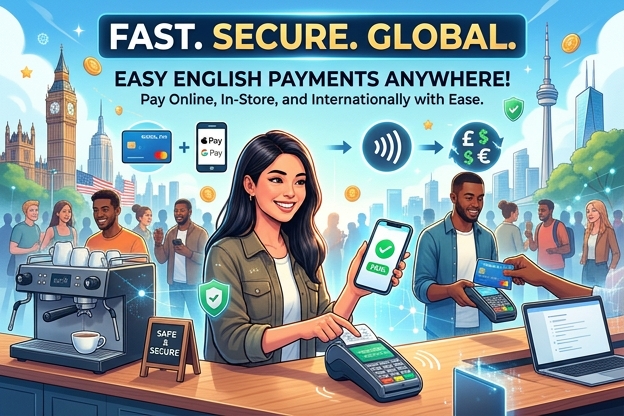
Consumer expectations have shifted fast. Card payments still dominate many categories, but customers now expect flexibility that matches device, geography, and purchase intent. A mobile-first shopper may prefer Apple Pay. A budget-conscious buyer may want buy now, pay later. A cross-border customer may trust a local wallet more than an unfamiliar card form.
According to Baymard Institute research updated in 2024, checkout friction remains a major reason shoppers abandon carts. Payment choice is part of that friction. If the preferred method is missing, many users leave rather than adapt.
| Business Type | Priority Payment Methods | Main Risk Concern | Operational Focus |
|---|---|---|---|
| Fashion DTC brand | Cards, Apple Pay, PayPal | Friendly fraud and returns abuse | Mobile conversion and refund speed |
| SaaS subscription company | Cards, ACH, digital wallets | Failed renewals and involuntary churn | Smart retries and dunning |
| Online electronics retailer | Cards, BNPL, bank transfer | High-ticket fraud | Identity checks and manual review |
| Global marketplace | Local wallets, cards, bank rails | Cross-border compliance | Split payouts and multi-currency settlement |
| Digital goods merchant | Cards, wallets, stored credentials | Card testing and chargebacks | Velocity rules and instant delivery controls |
The best mix depends on your audience, not on trend chasing. Too many methods can clutter checkout, but too few can suppress conversion.
Best Practices That Improve Conversion and Reduce Risk
The strongest payment teams treat checkout as both a revenue system and a trust system. These are the practices that consistently matter.
Keep Checkout Friction Low but Intentional
Use a clean form, support autofill, display wallet options early on mobile, and avoid forcing account creation before payment. Ask for only the information you need. Long forms increase abandonment and create more opportunities for typo-driven declines.
Use Tokenization and Strong Security Controls
Tokenization keeps raw card data out of your systems as much as possible, reducing PCI scope and risk. Pair it with CVV checks, AVS where relevant, device fingerprinting, and selective 3D Secure to raise confidence without exhausting genuine customers.
Localize for Cross-Border Buyers
Show local currencies, familiar payment methods, and transparent taxes or fees. Cross-border customers are more likely to drop out when a checkout feels foreign or opaque.
Build a Chargeback Response Process
Do not wait for disputes to pile up. Document proof of delivery, customer communication, refund policies, and recurring billing disclosures. Fast, well-organized representment can protect margins in categories with high friendly fraud.
“False declines are one of the quietest sources of lost revenue. Many merchants focus on fraud prevention and forget that rejecting a good customer is also a form of payment failure.”
Common Mistakes, Limits, and Operational Challenges
Payment processing is not a magic fix for a weak business model. It can improve performance, but it cannot erase structural issues like poor product-market fit, vague refund policies, or shipping delays that trigger disputes.
Choosing Based on Fees Alone
The lowest headline rate can hide weaker support, higher false declines, poor cross-border coverage, or expensive chargeback handling. Effective cost should be measured against approval rate, fraud loss, payout timing, and support quality.
Ignoring Fraud Until Volume Rises
Fraud attacks often begin the moment a store gains traction. Card testing bots, promo abuse, and account takeover can scale quickly. If your controls are reactive, your processor may start imposing reserves or stricter monitoring before your team catches up.
Over-Reliance on One Provider
A single-provider setup is convenient, but it creates concentration risk. If underwriting changes, account reviews expand, or a method underperforms in a region, your revenue becomes fragile. Larger merchants often add redundancy through backup routing or additional local methods.
Underestimating Compliance
PCI responsibilities, KYC, AML considerations for some models, card network rules, tax obligations, and data privacy requirements all affect operations. Regulated or high-risk sectors need specialist guidance, not plug-and-play assumptions.
According to Verizon’s 2024 Data Breach Investigations Report, payment data and credential abuse remain persistent attack vectors across industries. That matters because every shortcut in data handling can become both a security and reputational issue.
How Physical Crypto Card Approaches Payment Performance
I have seen payment issues derail otherwise healthy online businesses, especially when merchants expand internationally or start serving more complex customer segments. At Physical Crypto Card, we worked with a mid-sized digital product seller that had strong traffic but weak authorization outcomes. Their checkout looked fine on the surface, yet approval rates in several regions were consistently lower than expected and support tickets kept referencing “card declined” without clear explanations.
We started by reviewing decline patterns by issuer country, card type, and device. What stood out was not one catastrophic failure but a cluster of small frictions: mobile form errors, limited wallet support, and routing that did not fit regional behavior. After adjusting the payment mix, tightening fraud rules around velocity rather than blanket rejection, and simplifying the checkout sequence, the merchant saw a measurable lift in completed orders and fewer manual reviews within weeks.
In another project, I worked directly with a subscription-focused merchant struggling with involuntary churn. Their recurring payments were failing not because customers wanted to leave, but because expired cards and generic bank declines were going unmanaged. Physical Crypto Card helped structure retry timing, refine descriptor clarity, and introduce account updating support where available. The result was a cleaner renewal cycle and less wasted acquisition spend.
Those projects reinforced a simple point: payment optimization is rarely about one big feature. It is usually about removing a stack of small losses that compound over time.
How To Choose the Right Provider for Your Business Model
Not every merchant needs an enterprise payment stack. The right choice depends on transaction size, geography, product type, fraud exposure, and internal resources.
Questions Worth Asking Before You Sign
- Which payment methods perform best in our top markets?
- How are reserves, holds, and payout schedules handled?
- What fraud tools are native, and which require third-party add-ons?
- How does the provider support recurring billing, refunds, and disputes?
- Can we export clean reporting data for finance and reconciliation?
- What happens if our risk profile changes after rapid growth?
Merchants in higher-risk or fast-changing categories should also ask about underwriting transparency. A provider that is easy to launch with can still become difficult to scale with if product mix, volume, or geographies change.
When an All-in-One Platform Makes Sense
If you are early-stage, need speed, and have a relatively standard risk profile, an all-in-one setup may be the best choice. It reduces technical overhead and gets you live faster.
When a More Customized Stack Is Better
If you operate across borders, process high volume, manage subscriptions, or face meaningful fraud pressure, more configurable routing, layered fraud controls, and method-specific optimization can be worth the added complexity.
What Comes Next for Online Payments
Online payments are moving toward more orchestration, more biometric authentication, and broader wallet usage. Merchants are also paying closer attention to cost routing, real-time bank payments, and AI-assisted fraud scoring. Even so, the fundamentals are staying the same: customer trust, speed, approval rate, and operational control.
Another clear shift is that payments are becoming a product decision rather than a back-office choice. Marketing teams care because payment methods affect conversion. Operations teams care because payout timing affects cash flow. Finance teams care because reconciliation and dispute ratios affect margins. Leadership cares because a store that cannot collect revenue smoothly cannot scale confidently.
Conclusion
E commerce payment processing works best when it is treated as part of customer experience, risk management, and revenue operations all at once. The basics are straightforward: the customer pays, the gateway and processor route the request, the issuer approves or declines, and funds settle to the merchant. The real advantage comes from how well that system is tuned for your audience, your risk profile, and your growth plans.
Physical Crypto Card recommends three practical next steps for merchants that want better results:
- Audit your checkout by payment method, device, and geography to find hidden conversion loss.
- Review decline and chargeback data monthly instead of waiting for a crisis.
- Choose providers based on approval performance, support quality, and scalability, not just fees.
References
Worldpay Global Payments Report 2024 — provided current market data on the growth of digital wallets and regional e-commerce payment preferences.
Juniper Research 2024 online payment fraud analysis — supplied forward-looking estimates on the scale of e-commerce fraud losses and the need for stronger risk controls.
Baymard Institute 2024 checkout research — informed the discussion on checkout friction, abandonment, and payment method expectations.
Verizon 2024 Data Breach Investigations Report — supported the security and compliance discussion around payment data and credential-related threats.
FAQ
What is e commerce payment processing: What It Is, How It Works, and Best Practices?
-
It is the full system that lets an online store accept, authorize, secure, and settle customer payments. It covers the gateway, processor, card networks or alternative payment rails, fraud checks, and the final transfer of funds to the merchant.
What is the difference between a payment gateway and a payment processor?
-
The gateway securely captures and transmits payment data from checkout, while the processor routes the transaction through banks and payment networks for authorization and settlement. Some providers package both functions together, but they are not the same role.
Which payment methods should a small online store offer first?
-
Most small stores should start with the essentials that remove friction without adding too much complexity:
-
Major credit and debit cards
-
At least one fast mobile wallet such as Apple Pay or Google Pay
-
PayPal or another widely trusted wallet if your audience uses it heavily
-
BNPL only if average order value and customer demand justify it
How can I reduce failed payments and false declines?
-
Start by improving both data quality and checkout design:
-
Use tokenization and accurate billing data collection
-
Add wallets for mobile users
-
Monitor issuer decline codes by region and device
-
Avoid fraud rules that reject too broadly
Is PCI compliance still important if my provider hosts the checkout?
-
Yes. A hosted checkout can reduce your PCI scope, but it does not remove all responsibility. You still need to follow your provider’s security requirements, manage access carefully, and make sure the rest of your environment does not create avoidable risk.
How fast do merchants usually receive their money?
-
It depends on the provider, risk profile, and payment method. Common payout windows include:
-
Same-day or next-day for some low-risk domestic setups
-
Two to three business days for many standard e-commerce merchants
-
Longer if reserves, rolling holds, or cross-border settlement rules apply
When should a merchant consider a more advanced payment setup?
-
It is usually time to upgrade when you sell internationally, process high volume, run subscriptions, see rising fraud pressure, or need better approval rates than a basic all-in-one platform can provide. That is often when orchestration, local methods, and more tailored risk controls start paying off.
Correlated Security Signals