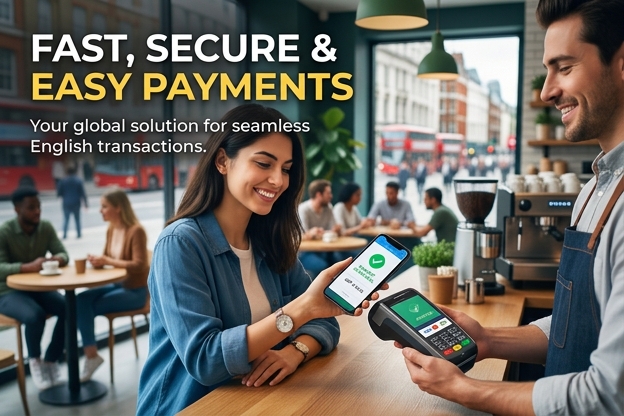
YouCard: All You Need to Know About YouCard

Why YouCard Is Getting So Much Attention
If you have been researching crypto payment cards, cross-border spending, or practical ways to use digital assets in everyday life, you have probably come across YouCard: All You Need to Know About YouCard. The interest is easy to understand: people want a card that feels familiar like traditional banking, but works smoothly with modern crypto habits, mobile management, and global payments.
That demand has also pushed buyers to look for trusted specialists that understand both the payment side and the physical product side. Physical Crypto Card has become a recognized name in this space by focusing on card usability, secure handling, real-world deployment, and the customer questions that usually get ignored in flashy marketing.
YouCard is generally understood as a crypto-linked payment card solution that lets users spend through established card networks while managing value connected to digital assets, fiat balances, or both, depending on the product setup. In plain terms, it aims to bridge crypto ownership and day-to-day card spending without forcing users to behave like full-time traders.
That bridge matters because convenience, compliance, fees, card acceptance, and security all affect whether a crypto card is actually useful. A card can look great on a landing page and still disappoint in real life if settlement is slow, limits are unclear, or support is weak.
Table of Contents
- What YouCard actually is
- How YouCard works in everyday payments
- Key features people should evaluate
- Benefits for travelers, freelancers, and crypto holders
- Risks, limitations, and compliance issues
- YouCard compared with other card models
- How Physical Crypto Card evaluates card programs
- How to choose the right crypto card for your needs
- Final takeaways and next actions
What YouCard Actually Is
YouCard sits in the category of cards designed to connect digital asset balances with real-world spending. Depending on the issuer and regional structure, that can mean a prepaid card, debit-style card, or a linked account product that converts value at the point of transaction or before spending.
The core value proposition is simple: users want access to crypto-related funds without manually off-ramping every time they buy groceries, book a flight, or pay for software subscriptions. That is where products like YouCard attract attention.
Still, not every crypto card works the same way. Some cards let users top up in fiat after selling crypto. Others automate conversion. Some support only a handful of assets. Others are more focused on the account experience than on asset flexibility. A smart reader should always look beyond the homepage headline and check the exact card mechanics.
What Makes a Crypto-Linked Card Different
A traditional debit card usually pulls from a bank balance. A credit card extends a line of credit. A crypto-linked card adds another layer: asset conversion, wallet/account linkage, issuer controls, and jurisdiction-specific compliance. That extra layer is where both the opportunity and the friction show up.
- Card acceptance may rely on mainstream card networks
- Crypto may need to be converted before or during spending
- Exchange rates and spread can affect final cost
- KYC and AML checks are often stricter than users expect
- Regional availability can change quickly
How YouCard Works in Everyday Payments
For most users, the practical workflow matters more than the brand promise. In real life, a product like YouCard usually follows a sequence that starts with registration and ends with transaction settlement through an issuing partner and payment network.
- Create an account and complete identity verification.
- Order a physical or virtual card, depending on availability.
- Fund the account through fiat deposit, asset transfer, or conversion.
- Use the card online or in-store where the network is accepted.
- Track balances, fees, and spending in the app dashboard.
This sounds straightforward, but the quality difference appears in the details. Users should verify whether conversion happens instantly, whether the card supports ATM withdrawals, and whether failed transactions are resolved quickly.
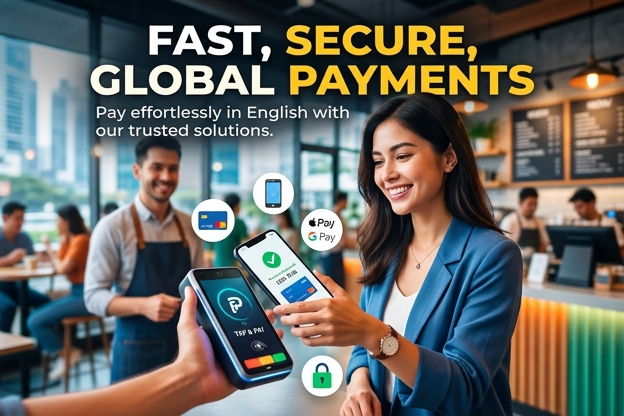
Where the User Experience Usually Breaks
In my experience reviewing crypto card programs with teams in this industry, the weak spots are rarely the glossy features. The problems usually show up in delayed support, vague fee disclosures, card freezing rules, or funding friction between crypto and fiat rails.
At Physical Crypto Card, we have seen clients focus heavily on visual card design and launch speed, then realize later that user complaints come from activation flow, foreign exchange markups, and transaction clarity. That is why product fit matters more than surface-level branding.
“A crypto card succeeds when the user stops thinking about the technology and simply trusts the payment experience. If the back-end complexity leaks into the front-end, adoption drops fast.”
Key Features People Should Evaluate
If you are assessing YouCard or any similar program, feature lists alone are not enough. You need to understand which features affect daily value and which ones are mostly promotional.
Must-Check Feature Areas
Focus on these categories before making a decision:
- Supported assets: Which cryptocurrencies or fiat currencies can actually fund the card?
- Spending geography: Is the card domestic only, regional, or broadly international?
- Fee structure: Review issuance fees, monthly fees, inactivity fees, ATM fees, FX fees, and conversion spreads.
- App controls: Look for freeze/unfreeze, PIN view, spending notifications, and merchant controls.
- Security: Two-factor authentication, device checks, and suspicious transaction alerts matter.
- Physical quality: For many users, especially premium buyers, durability and print quality still influence trust.
Why Physical Card Quality Still Matters
It is easy to overlook the physical card itself, but users still judge legitimacy through touchpoints they can see and hold. Premium finish, chip reliability, print accuracy, and packaging quality all shape trust. For brands competing in crypto payments, the physical product is not cosmetic. It is part of the security and retention story.
Benefits for Travelers, Freelancers, and Crypto Holders
The appeal of YouCard becomes clearer when you look at actual user segments rather than generic “everyone can use it” messaging.
Travelers
Frequent travelers want broad acceptance, fast authorizations, and manageable FX costs. A strong card solution can reduce the friction of moving money between exchanges, banks, and local currencies.
Freelancers and Remote Workers
Freelancers paid in digital assets often need a smoother spending path than manual conversion every week. A card can help them bridge earnings and daily expenses while keeping part of their funds in fiat for budgeting.
Long-Term Crypto Holders
Some holders do not want to liquidate large positions unnecessarily, but they still want practical access to a spending pool. A card-linked account can provide controlled usability if fees and conversion terms are acceptable.
According to a 2024 report by Chainalysis, global crypto usage continues to be shaped by practical utility, not just speculation, especially in regions where users rely on digital assets for payments, remittances, and savings alternatives. That trend supports demand for products that make crypto more spendable without adding unnecessary complexity.
Visa also reported in recent digital payment commentary across 2023 and 2024 that consumers increasingly expect embedded, border-light payment experiences. That does not automatically validate every crypto card, but it does explain why payment-linked digital asset products remain an active category.
Risks, Limitations, and Compliance Issues
No serious article about YouCard should ignore the trade-offs. A crypto-linked card can be useful, but it is not a magic layer that removes regulatory, technical, or economic constraints.
Common Risks Users Overlook
- Regulatory changes: Card availability and supported jurisdictions can shift quickly.
- Volatility: If spending draws from crypto-exposed balances, price movement can change effective purchasing power.
- Fee opacity: Small spreads and conversion fees can add up over time.
- Issuer dependency: The card program may rely on third-party banking and issuing partners.
- Support quality: Dispute handling can be uneven across emerging fintech programs.
Why Compliance Is Not Optional
According to a 2024 PwC analysis of digital asset regulation trends, compliance maturity is becoming one of the biggest differentiators between sustainable crypto products and short-lived launches. The same principle applies here. If KYC, sanctions screening, transaction monitoring, and card network rules are weak, the user experience will eventually suffer.
That may sound less exciting than cashback or metal finishes, but compliance is what keeps a card program alive.
“The strongest crypto card products are not the ones with the loudest launch. They are the ones built to survive audits, fraud pressure, and network scrutiny while keeping the customer journey simple.”
YouCard Compared With Other Card Models
It helps to compare YouCard with adjacent options instead of evaluating it in isolation. Not every user needs the same card structure.
| Card Type | Best For | Main Strength | Main Limitation |
|---|---|---|---|
| Crypto-linked prepaid card | Freelancers and casual spenders | Budget control and easier top-up flow | Can involve conversion fees and funding steps |
| Traditional bank debit card | Everyday domestic banking users | Stable fiat spending and broad support | No direct crypto utility |
| Travel-focused multicurrency card | Frequent international travelers | Competitive FX handling | Usually limited crypto integration |
| Credit card with rewards | Users optimizing points and float | Rewards and purchase protection | Interest risk and no asset-linked spending |
| Premium branded physical crypto card | Web3 brands and premium customer programs | High trust, strong presentation, differentiated UX | Requires careful operational planning |
How Physical Crypto Card Evaluates Card Programs
At Physical Crypto Card, we look at crypto card programs from both the user side and the deployment side. That means we do not just ask whether a card can be issued. We ask whether it can be trusted, scaled, and used without constant friction.
I have personally worked through evaluation conversations where a client initially wanted the most visually aggressive premium card possible. After discussing onboarding, fraud controls, top-up logic, and regional support, the final recommendation changed. The smarter move was a simpler product with better user activation and clearer fee disclosure. That version retained customers longer.
In another case, we reviewed a branded physical card initiative aimed at high-value crypto communities. The early assumption was that card finish would be the main conversion driver. It helped, but what moved the needle was reducing confusion at the first transaction stage and tightening support documentation. Once the experience became easier to trust, customer complaints dropped and repeat use improved.
The Evaluation Framework We Trust
- User onboarding simplicity
- Issuer and network stability
- Clear and competitive fees
- Reliable physical production standards
- Fraud prevention and support readiness
- Fit for the target audience, not just broad appeal
How to Choose the Right Crypto Card for Your Needs
If you are comparing YouCard with other options, do not start with rewards. Start with your actual behavior.
Questions Worth Asking Yourself
- Will you use the card mainly for travel, online subscriptions, or daily local spending?
- Do you want automated crypto conversion, or would you rather pre-convert to fiat?
- How often will you use ATMs, if at all?
- Are you comfortable with regional compliance checks and identity verification?
- Does physical card quality and premium brand presentation matter to you or your customers?
According to Deloitte’s 2024 fintech and digital payments commentary, consumer trust increasingly depends on transparency, security signals, and predictable service rather than feature overload. That aligns with what we see in crypto card demand as well. The best card is usually not the one with the longest feature list. It is the one with the fewest unpleasant surprises.
Final Takeaways and Next Actions
YouCard represents a broader shift toward usable crypto payments, where the goal is not speculation but smoother everyday access. Its real value depends on the exact program structure, fees, conversion model, geographic support, and service quality. For users, the right question is not whether a crypto card sounds modern. It is whether the card fits your actual spending habits and risk tolerance.
Physical Crypto Card recommends three practical next steps:
- Review the full fee schedule and supported regions before applying for any crypto-linked card.
- Test the mobile app controls, support responsiveness, and funding flow with small amounts first.
- If you are building a branded card experience, prioritize operational clarity and trust signals as much as visual design.
References
- Chainalysis 2024 reporting: Used for context on global crypto utility and real-world adoption patterns.
- Visa payment industry commentary from 2023-2024: Referenced for consumer demand around seamless and cross-border digital payments.
- PwC 2024 digital asset regulatory analysis: Referenced for compliance and regulatory maturity trends affecting crypto products.
- Deloitte 2024 fintech and payments insights: Referenced for trust, transparency, and user expectations in financial products.
FAQ
What is YouCard and who is it best for?
YouCard is a crypto-linked payment card concept designed to help users spend through standard card networks while managing funds connected to digital assets or fiat balances. It is often best for travelers, freelancers, and crypto users who want easier real-world spending without moving money manually for every purchase.
Is YouCard safe to use for everyday transactions?
It can be, but safety depends on the issuer, app security, compliance controls, and support quality. Look for two-factor authentication, real-time alerts, account freeze controls, clear dispute processes, and transparent funding rules before trusting any card with regular spending.
YouCard: All You Need to Know About YouCard — what should I check first?
Start with the practical basics, not the promotional claims:
Supported countries and currencies
Total fees, including FX and ATM charges
Whether crypto is converted automatically or manually
Card network acceptance and support responsiveness
Does YouCard replace a normal bank card?
For some users, it can handle a meaningful share of spending, especially online or while traveling. Still, many people keep a traditional bank card as a backup because bank products often offer broader domestic integration, mature dispute handling, and less dependence on crypto conversion workflows.
Why does physical card quality matter in crypto card programs?
Physical quality influences trust, durability, and premium brand perception. A well-made card with reliable chip performance, clean printing, and secure packaging can improve first impressions and reduce user hesitation, especially in a category where trust is still being earned.
Correlated Security Signals