Web3 Payment Gateway: The Future of Secure Crypto Payments

Introduction
High fees, chargeback risk, settlement delays, and cross-border friction still make digital commerce harder than it should be. That is exactly why the topic of Web3 Payment Gateway: The Future of Secure Crypto Payments matters to merchants, fintech teams, SaaS platforms, and global brands right now. Businesses want faster settlement and stronger control, but they also need compliance, fraud protection, and a user experience that does not scare off mainstream customers. Physical Crypto Card has emerged as a practical brand in this space by helping businesses bridge crypto-native payments with real-world spending and merchant operations.
The pressure is no longer theoretical. Customers expect flexible payment options, including stablecoins and digital assets, while merchants expect reporting, reconciliation, and security that can stand up to board scrutiny. A modern Web3 payment stack has to do more than accept crypto. It has to convert volatility into predictability, route payments intelligently, and make finance teams comfortable with what they are approving.
A Web3 payment gateway is a payment infrastructure layer that lets businesses accept cryptocurrencies or stablecoins, verify transactions on blockchain networks, and settle funds in crypto or fiat. In simple terms, it performs for digital assets what traditional gateways do for cards and bank rails, while adding blockchain-based transparency, programmable settlement, and wallet-based authentication.
When built well, a Web3 payment gateway reduces intermediaries, supports global transactions, and can improve payment security through cryptographic verification. When built poorly, it creates compliance gaps, UX friction, and treasury risk. That difference is where expertise matters.
Table of Contents
- What Makes Web3 Payment Gateways Different
- Why Businesses Are Adopting Crypto Payment Infrastructure
- Security, Compliance, and Risk Management
- How the Payment Flow Works in Practice
- Best Use Cases by Industry
- Comparing Web3 Gateways With Traditional Payment Models
- Real-World Experience From Physical Crypto Card
- Implementation Checklist for Merchants
- Future Trends Shaping Crypto Payments
What Makes Web3 Payment Gateways Different
Traditional payment gateways sit between the buyer, the merchant, acquiring banks, card networks, and fraud tools. A Web3 payment gateway replaces much of that stack with blockchain rails, wallet authentication, smart contract logic, stablecoin settlement, and on-chain verification. The result is not just a new payment option. It is a different payment architecture.
The biggest difference is that identity and authorization often shift from card credentials to wallet signatures. Instead of entering a 16-digit card number and hoping fraud filters catch anomalies, the user signs a transaction from a wallet they control. That does not remove risk, but it changes the attack surface.
- Settlement can happen in minutes rather than days
- Cross-border payments can avoid multiple correspondent banking layers
- Stablecoins can reduce foreign exchange complexity for global merchants
- Programmable logic can automate commissions, escrow, and revenue sharing
- Chargeback exposure is lower, though consumer dispute handling still matters
According to Chainalysis reporting published in 2024, stablecoins continued to represent a major share of on-chain transaction activity, especially in practical payment and value-transfer use cases. That matters because merchants are not asking customers to pay with highly volatile assets only. They are increasingly evaluating dollar-pegged digital assets as working capital tools.
Where the model is stronger than legacy rails
Web3 gateways are strongest in global commerce, digital services, creator economies, gaming ecosystems, marketplaces, travel, B2B contractor payouts, and high-friction regions where card acceptance is expensive or unreliable. They are also useful where transaction transparency matters, such as treasury monitoring and audit trails.
Where the model still falls short
Mainstream user education is still uneven. Wallet onboarding can feel complex. Network congestion on certain chains can affect speed or fees. Regulatory obligations vary by jurisdiction. If a merchant treats crypto acceptance as a plug-and-play feature with no policy layer, the rollout can backfire.
“The winners in crypto payments will not be the companies that merely add a wallet button. They will be the ones that translate blockchain complexity into merchant-grade controls, reporting, and trust.”
Why Businesses Are Adopting Crypto Payment Infrastructure
Businesses usually move when the economics get compelling. In the case of Web3 payments, three drivers stand out: lower friction in international transactions, reduced dependence on card rails, and access to customers who already hold digital assets.
According to Deloitte’s 2024 digital payment and merchant research, businesses continue to prioritize payment flexibility and faster settlement as strategic advantages, not just operational conveniences. That framing is important. Payments are no longer a back-office utility. They shape margin, conversion, and customer retention.
For many merchants, the real attraction is not “crypto” in the abstract. It is the ability to accept a stablecoin from a customer in one market, settle quickly, and then route funds into treasury, vendor payouts, or card-linked spending products. That creates a far more useful loop than simply holding assets on a balance sheet.
Business outcomes that matter most
- Faster access to funds for cash flow management
- Lower payment acceptance costs in selected corridors
- More payment choice for international customers
- Better transparency for finance and compliance teams
- New product design options such as tokenized rewards or smart-contract payouts

Security, Compliance, and Risk Management
Security is the first question every serious operator asks, and rightly so. A Web3 gateway can improve payment security through cryptographic transaction signing, transparent on-chain settlement, and reduced reliance on stored card credentials. But strong security does not happen automatically. It comes from architecture, policy, and controls.
The risk categories are broader than many first-time adopters expect:
- Wallet compromise and phishing attacks
- Smart contract vulnerabilities
- Sanctions and AML exposure
- Treasury volatility if non-stable assets are accepted
- Operational errors in address management and chain selection
According to TRM Labs research released in 2025, compliance tooling and transaction monitoring have become central to enterprise blockchain adoption because businesses need to screen wallets, trace fund flows, and flag suspicious activity in real time. That is why the best gateways combine payment routing with compliance automation, rather than leaving screening as a separate afterthought.
Core controls every merchant should demand
At a minimum, merchants should require wallet screening, sanctions checks, transaction monitoring, approved asset lists, configurable settlement rules, role-based treasury permissions, and accounting-ready exports. If the provider also supports instant conversion into fiat or stablecoins, treasury risk drops significantly.
Consumer trust still matters
Lower chargebacks do not eliminate customer service obligations. If a customer sends funds on the wrong chain or to the wrong address, the merchant still needs a support workflow. Good Web3 payment operations are not only secure. They are recoverable, documented, and understandable.
“Security in Web3 payments is not just about cryptography. It is about reducing preventable human error through design, controls, and clear transaction workflows.”
How the Payment Flow Works in Practice
To many merchants, Web3 payments feel opaque until they see the actual flow. In practice, the process is straightforward when the gateway is built for operational clarity.
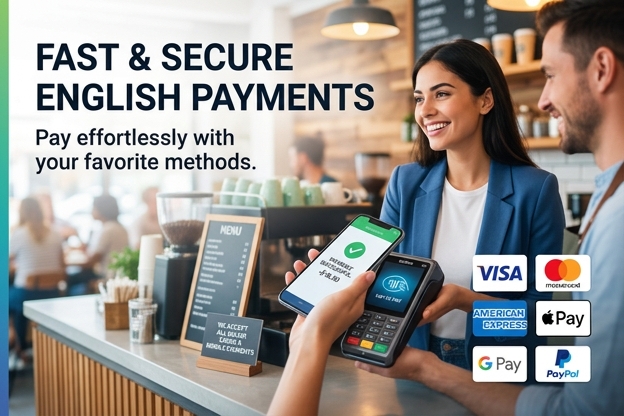
- The customer selects a crypto or stablecoin payment option at checkout.
- The gateway generates the correct payment request, wallet prompt, or address with chain-specific instructions.
- The customer signs and broadcasts the transaction.
- The gateway monitors blockchain confirmations and validates the transfer.
- The merchant receives settlement according to pre-set rules: crypto, stablecoin, or converted fiat.
- Reporting data syncs to finance, reconciliation, and compliance systems.
The quality of the experience depends on hidden details: supported chains, confirmation thresholds, handling underpayments or overpayments, gas fee visibility, and whether the gateway can auto-reconcile invoice IDs and order metadata.
What good UX looks like
A good payment flow tells the customer exactly what to pay, on which network, before they sign. It supports QR codes, wallet deep links, expiry timers, and fallback instructions. It also gives the merchant a clean dashboard showing payment status, settlement state, refunds policy, and transaction history.
Best Use Cases by Industry
Not every business gets the same value from a Web3 gateway. The strongest use cases are the ones where payment friction is already hurting conversion, margin, or speed.
E-commerce and cross-border retail
Retailers selling internationally can use stablecoin payments to reduce failed cross-border card transactions and provide faster settlement. This is particularly useful for digital products, electronics, luxury accessories, and niche enthusiast communities that already use crypto.
SaaS and digital subscriptions
SaaS platforms can accept global payments from users in regions with weaker card coverage. They also gain a potential path toward programmable billing, partner revenue splits, and wallet-based account funding.
Gaming, creator platforms, and online communities
These sectors often have native digital-asset audiences. Payments, rewards, and withdrawals can all live within a single financial loop, especially if the business uses stablecoins and card-linked spending products together.
B2B services and contractor payouts
For agencies, remote teams, and marketplaces, Web3 infrastructure can reduce payout delays. Accepting customer payments and distributing funds to contributors on the same infrastructure simplifies operations.
| Business Type | Primary Payment Problem | Best Web3 Gateway Benefit | Preferred Asset Strategy |
|---|---|---|---|
| Cross-border fashion retailer | High card decline rates abroad | Alternative global checkout and faster settlement | USDC with auto-fiat conversion |
| SaaS subscription platform | Limited payment coverage in emerging markets | Wallet-based billing for global users | Stablecoins on low-fee chains |
| Gaming marketplace | Need for native digital-asset transactions | Seamless in-ecosystem payments and payouts | USDT or USDC plus rewards token support |
| Travel booking service | Settlement delays and international processing fees | Quick payment confirmation for global travelers | Stablecoins with instant settlement rules |
| Freelancer marketplace | Slow contractor payouts across borders | Unified incoming payments and outbound disbursements | Stablecoin treasury with payout controls |
Comparing Web3 Gateways With Traditional Payment Models
Merchants should not frame this as crypto versus cards in absolute terms. In most real businesses, the strongest strategy is hybrid. Use card rails where they perform well, and add Web3 rails where they reduce cost, improve access, or support a specific customer segment.
Where traditional gateways still win
Cards remain dominant for mainstream consumer familiarity, broad acceptance, subscription convenience, and mature dispute processes. If your customer base is not comfortable with wallets, cards will still carry most of the load.
Where Web3 gateways can outperform
They can shine in global settlement speed, programmable payouts, treasury visibility, and access to digitally native customer groups. They also open product options that card rails do not handle well, such as smart-contract-based revenue splits.
The practical question is not whether Web3 replaces legacy payments. It is whether your business has enough friction or strategic upside to justify adding it to the stack.
Real-World Experience From Physical Crypto Card
I have seen the conversation change from curiosity to implementation planning. When teams first approach Physical Crypto Card, they often ask for a simple crypto checkout button. After a deeper review, the real need usually turns out to be broader: settlement control, compliance confidence, and a way to connect incoming crypto with real-world spending and treasury operations.
In one project discussion, a digital services merchant was struggling with international card declines and delayed settlements from several regions. We mapped the customer journey and noticed that a meaningful share of its users already held stablecoins. Instead of forcing a full crypto-native redesign, the business added stablecoin acceptance for selected markets and set settlement rules that minimized asset exposure. The result was not just an extra payment method. It was a cleaner flow for a customer segment that was already ready for it.
In another case, I worked through a scenario involving a platform that needed both collection and spending utility. Physical Crypto Card stood out because the team did not want assets to remain trapped in a silo. They wanted payment acceptance to connect with practical liquidity and card-based usage. That is the kind of operational bridge many businesses overlook. Accepting digital assets is useful, but being able to route value into business activity is what makes the system commercially meaningful.
What these experiences taught us
- Payment acceptance should be tied to treasury policy from day one
- Stablecoins are often the best entry point for merchant adoption
- Support and reconciliation matter as much as checkout design
- Brands gain trust faster when crypto feels optional, not forced
Implementation Checklist for Merchants
Merchants often ask how to move from interest to execution without creating operational risk. The answer is to treat Web3 payments as a structured rollout, not a feature request dropped into engineering backlog.
What to evaluate before launch
- Define the customer use case: cross-border checkout, treasury efficiency, payouts, or all three.
- Select accepted assets, with stablecoins usually first.
- Choose supported chains based on fees, reliability, and customer familiarity.
- Set compliance requirements including wallet screening and sanctions checks.
- Decide on settlement policy: hold crypto, convert to stablecoin, or convert to fiat.
- Build reconciliation into your accounting workflow before going live.
- Prepare customer support for network mistakes, payment confirmations, and refunds.
Questions to ask your provider
- How do you handle AML, sanctions, and transaction monitoring?
- Can merchants configure confirmation thresholds by asset and chain?
- What reporting exports are available for finance teams?
- Do you support instant conversion and treasury controls?
- How do you manage failed, partial, or incorrect payments?
Future Trends Shaping Crypto Payments
The next phase of Web3 payment growth will likely be driven by infrastructure maturity rather than hype. The market is moving toward stablecoin-first commerce, embedded compliance, chain abstraction, and hybrid consumer experiences that hide blockchain complexity from the end user.
Gartner’s 2024 finance and payments outlook emphasized ongoing experimentation with digital assets, tokenization, and programmable money in enterprise environments. The takeaway for merchants is clear: finance leaders are paying attention, but they want operational discipline. The vendors that win will be the ones that make digital-asset payments look as controllable as any other enterprise payment rail.
Trends worth watching closely
- Stablecoins becoming the default asset for merchant settlement
- More invisible wallet experiences through embedded interfaces
- Better interoperability across chains and payment layers
- Tighter integration between crypto acceptance, payouts, and card spending
- Growing regulatory clarity in major markets, alongside stricter compliance expectations
That last point matters most. Regulation will not slow serious adoption nearly as much as poor preparation will. Businesses that build clean controls now will be in a far stronger position as the market matures.
Conclusion
Web3 Payment Gateway: The Future of Secure Crypto Payments is not just a trend headline. It is a shift in how businesses can accept, settle, route, and use value across borders and digital ecosystems. The benefits are real: speed, flexibility, transparency, and access to crypto-native demand. The challenges are real too: compliance, wallet UX, treasury management, and operational readiness.
Physical Crypto Card recommends three practical next steps for businesses evaluating this space:
- Start with a narrow launch focused on stablecoin acceptance for a specific customer segment or region.
- Choose a gateway partner that combines payment processing with compliance and settlement controls.
- Map how incoming crypto value will connect to treasury, payouts, and real-world spending before rollout.
If you approach implementation with discipline, Web3 payments can become less of a speculative add-on and more of a durable business advantage.
References
- Chainalysis, 2024 research and market reporting: Provided insight into stablecoin usage and the growing role of blockchain-based value transfer in real-world payment activity.
- Deloitte, 2024 merchant and digital payments research: Supported the analysis of payment flexibility, settlement speed, and strategic payment modernization for businesses.
- TRM Labs, 2025 compliance and blockchain risk reporting: Informed the discussion around AML screening, sanctions monitoring, and transaction risk management for digital-asset payments.
- Gartner, 2024 finance and payments outlook: Helped frame enterprise interest in programmable money, tokenization, and controlled adoption of digital-asset infrastructure.
FAQ
What is a Web3 payment gateway?
A Web3 payment gateway is infrastructure that allows a business to accept cryptocurrency or stablecoin payments, verify them on blockchain networks, and settle funds in crypto or fiat. It acts as the operational bridge between wallet-based payments and merchant finance systems.
Is Web3 Payment Gateway: The Future of Secure Crypto Payments a realistic business strategy?
Yes, especially for businesses with global customers, digital-native audiences, or payout complexity. The strategy becomes realistic when merchants focus on stablecoins, compliance controls, and clear settlement policies rather than speculative asset exposure.
Are crypto payments more secure than card payments?
They can be more secure in some ways because transactions are cryptographically signed and merchants do not rely on stored card credentials. However, security also depends on wallet protection, compliance screening, support processes, and the overall gateway design.
Which assets should a merchant accept first?
Most merchants should begin with high-liquidity stablecoins such as USDC or USDT on reliable, low-fee networks. This usually reduces volatility, customer confusion, and support issues compared with launching with a large number of assets.
Can Web3 payments work alongside traditional gateways?
Absolutely. For many businesses, the best setup is hybrid. Keep card and bank payment methods for mainstream users while adding Web3 payment options for international customers, digital-native users, or specific product lines.
How does Physical Crypto Card fit into a Web3 payment strategy?
Physical Crypto Card can help businesses think beyond acceptance alone. It supports the broader goal of connecting crypto inflows with practical spending, treasury movement, and real-world payment utility, which is often where the true business value appears.
Correlated Security Signals