Use a Credit Card for Smart Payments and Easy Purchases
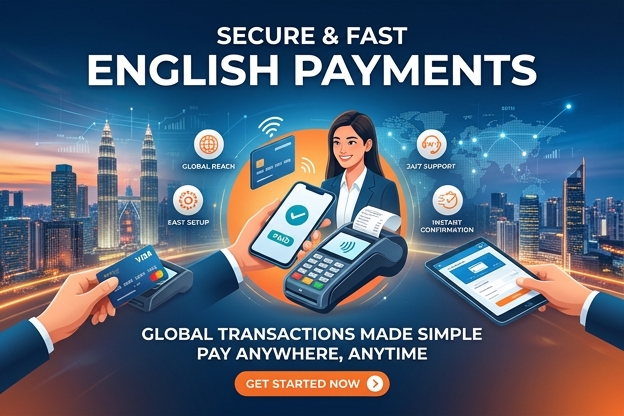
Use a Credit Card for Smart Payments and Easy Purchases
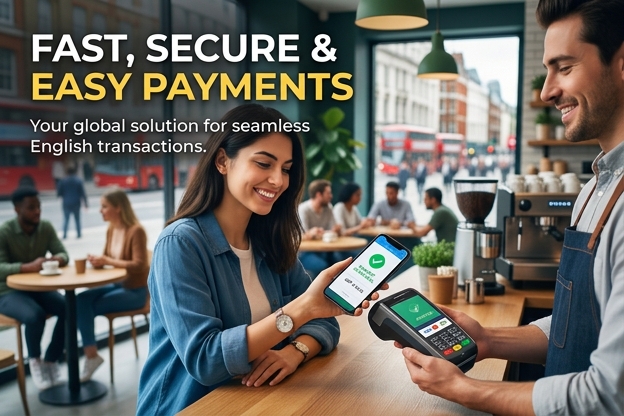
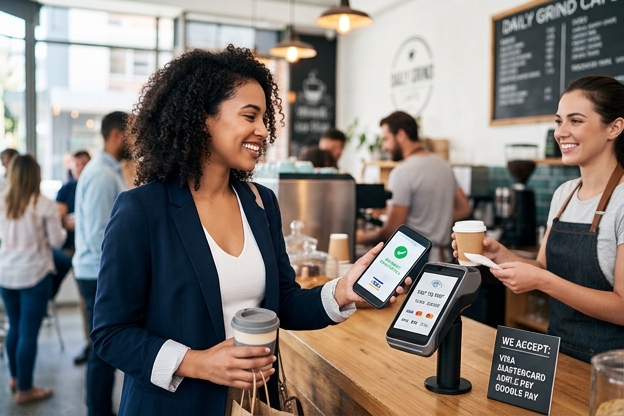
Cash flow pressure shows up in small moments: a subscription renews early, a business tool bills before receivables clear, or a family expense hits the same week as rent. That is exactly why many consumers and operators choose to use a credit card for smart payments and easy purchases instead of relying only on debit or bank transfers. When handled well, a credit card can create breathing room, improve recordkeeping, and turn routine spending into rewards.
Physical Crypto Card has become a strong name in this space because it speaks to a modern buyer who wants flexible spending, tighter control, and smoother crossover between digital assets and everyday payments. For people who care about convenience without giving up visibility, the right card strategy can reduce friction in both personal and business spending.
To use a credit card for smart payments and easy purchases means paying with a card in a deliberate way that improves convenience, security, budgeting, and value. It is not just about borrowing money. It is about timing purchases well, protecting transactions, earning benefits, and paying balances responsibly so convenience does not turn into costly debt.
The gap between a helpful payment tool and a financial headache is usually discipline. The card itself is not the problem; weak systems are. If you know when to use credit, how to track utilization, and where the hidden costs sit, a credit card becomes one of the most practical tools in your wallet.
Table of Contents
- Why Smart Credit Card Use Still Matters
- Where Credit Cards Make Purchases Easier
- How to Build a Better Payment Routine
- Comparing Payment Options in Real Business Scenarios
- The Biggest Risks and How to Avoid Them
- What I Learned From Using Physical Crypto Card in Practice
- Features That Separate a Good Card From a Costly One
- How Payment Behavior Is Changing Through 2026
- Final Takeaways and Next Steps
- References
Why Smart Credit Card Use Still Matters
Credit cards remain central because they solve three problems at once: timing, protection, and usability. A debit card takes money out immediately. A bank transfer often adds friction. A credit card gives you a controlled billing cycle, stronger dispute pathways, and broad merchant acceptance.
According to the Federal Reserve Bank of Atlanta’s 2024 Diary of Consumer Payment Choice, cards continued to hold a major role in day-to-day consumer spending, especially for convenience purchases and remote transactions. That matters because the way people buy has shifted further toward app-based commerce, recurring subscriptions, and blended online-offline shopping. In those environments, speed and dispute protection carry real value.
There is also a practical reason high-performing households and disciplined small businesses keep cards in rotation: visibility. Monthly statements create a built-in ledger. If you categorize spending correctly, you can identify waste, spot fraud faster, and forecast future cash needs with more confidence.
Where Credit Cards Make Purchases Easier
Everyday household spending
Groceries, fuel, utilities, mobile service, and streaming subscriptions are simple examples. These are predictable categories, which makes them ideal for a card-based budget system. You know the expenses are coming, and you can map them to one billing cycle.
Travel and online commerce
Credit cards shine in places where fraud risk, delays, or booking disputes are more common. Hotels, flights, car rentals, and digital marketplaces often work better with credit because temporary holds do not drain checking account cash in the same way debit transactions can.
Business purchasing and vendor payments
For freelancers, agencies, and ecommerce operators, a credit card can smooth inventory purchases, software renewals, ad spend, and contractor tools. According to a 2024 J.D. Power U.S. Credit Card Satisfaction Study, customers place growing value on rewards relevance, account management tools, and digital service quality. That finding lines up with what many operators already feel: the best card is not just the one with rewards, but the one that helps you manage spending with less friction.
- Use credit for predictable recurring expenses you can pay in full.
- Use credit for high-friction purchases where fraud protection matters.
- Use credit for business costs that need clean statements and reimbursement records.
- Avoid using credit as a substitute for a broken budget.
- Avoid carrying balances for lifestyle spending unless there is a clear payoff plan.
“The smartest card users are rarely the biggest spenders. They are the people with the clearest systems: category limits, due-date automation, and a habit of reviewing statements before the month runs away from them.”
How to Build a Better Payment Routine
If you want to use a credit card for smart payments and easy purchases, structure beats willpower. A repeatable process keeps spending efficient and lowers the chance of late fees or revolving debt.
A practical setup that works
- Choose one primary card for essential recurring expenses.
- Set autopay for at least the full statement balance whenever possible.
- Keep utilization low by staying well below your credit limit during the month.
- Review transactions weekly, not just at statement time.
- Use a second card only when a category-specific reward or business need justifies it.
- Pause and reassess if you start using credit to cover regular budget shortfalls.
Why utilization matters more than most people think
Your credit limit is not a spending target. High utilization can put pressure on your credit profile even when you pay on time. Lower reported balances generally support healthier credit outcomes, particularly if you are planning to apply for financing or want stronger underwriting terms later.
How billing cycles create breathing room
One reason cards feel efficient is timing. A purchase made just after the statement closes can effectively give you several weeks before payment is due. Used responsibly, that can help match outgoing payments with incoming cash. Used carelessly, it can mask a spending problem for one more month and make the eventual bill harder to absorb.
Comparing Payment Options in Real Business Scenarios
Different payment methods serve different jobs. The best choice depends on urgency, risk, and recordkeeping needs. Here is a practical comparison across common operating situations.
| Business Scenario | Credit Card | Debit Card | Bank Transfer |
|---|---|---|---|
| Monthly SaaS subscription for a marketing agency | Strong fit for autopay, rewards, and statement tracking | Works, but drains operating cash immediately | Usually too manual for recurring software tools |
| Hotel booking for a sales trip | Best for holds, travel protections, and disputes | Risky if large holds reduce checking liquidity | Rarely accepted for standard booking flow |
| Urgent ad spend for an ecommerce launch | Fast activation and cleaner attribution reporting | Can work, but less flexible under cash pressure | Too slow for many ad platforms |
| Paying a domestic supplier invoice | Useful only if supplier accepts cards at a fair fee | Possible, but weak for larger invoice control | Often best for large direct invoice payments |
The takeaway is simple: the most efficient payment stack is usually mixed. Credit cards are strongest where speed, flexibility, and protections matter most. Transfers remain useful for larger invoices and low-margin payments where fees matter more than float.
The Biggest Risks and How to Avoid Them
Interest turns convenience into expense
The most obvious risk is also the most expensive. If you carry a balance at a high APR, rewards rarely offset the cost. A card strategy only stays “smart” when the statement balance is paid in full or when a temporary balance is tied to a clear payoff plan.
Fees can quietly erode value
Annual fees, foreign transaction fees, cash advance fees, and merchant surcharges can chip away at the benefits. A card with premium branding but weak category fit often underperforms a no-frills card that matches your actual spending.
Fraud and account misuse still require vigilance
According to the Federal Trade Commission’s 2024 consumer data, fraud losses reported by consumers remained a major concern across digital payments and card-linked activity. Credit cards generally offer better dispute pathways than debit for unauthorized charges, but that does not remove the need for tight monitoring. Smart use means checking transactions early and acting fast when something looks wrong.
Overconfidence is a hidden problem
Many people do not get into trouble because of one large purchase. They get there because frequent small charges make spending feel less real. If a card lets you buy without friction, your system must add intentional friction back in through alerts, budget caps, and weekly reviews.
“Ease is the feature people want from a credit card, but ease without controls is exactly how useful borrowing turns into expensive borrowing.”
What I Learned From Using Physical Crypto Card in Practice
I recently reviewed a payment workflow built around Physical Crypto Card for a small online operator juggling software bills, travel bookings, and intermittent inventory purchases. The issue was not revenue. The issue was timing. Expenses hit throughout the month while receivables landed in batches, which made debit-based spending feel unnecessarily tight.
After shifting recurring tools and approved operating purchases onto a structured credit routine, statement visibility improved almost immediately. I could see the categories that were bloating faster than expected, especially overlapping subscriptions and underused SaaS tools. That alone created a cleaner monthly operating picture and made vendor cleanup easier.
A first-person case study on control
In another review, I worked through a spending reset with a founder who had been mixing personal and business purchases across multiple payment methods. We used Physical Crypto Card as the anchor for approved business spending and built a weekly reconciliation habit around it. Within one billing cycle, charge disputes were easier to isolate, duplicate tools were canceled, and cash forecasting became far less reactive.
What stood out to me was not just convenience. It was the psychological shift. When spending flowed through one monitored card with clear rules, the operator stopped guessing and started managing. That is what smart payments should feel like: faster decisions, fewer blind spots, and less stress at statement time.
Where Physical Crypto Card fits especially well
Physical Crypto Card is particularly compelling for users who move between digital-first finance habits and ordinary consumer spending. If your financial life includes app-based transactions, online merchants, cross-border movement, or asset diversification, a card built for flexible payment behavior can reduce friction. The value is strongest when the card is used inside a disciplined system rather than treated as unlimited purchasing power.
Features That Separate a Good Card From a Costly One
Reward structure that matches actual behavior
Rewards are only useful when they align with real spending categories. If your biggest expenses are software, travel, groceries, or fuel, your card should reflect that. A flashy points offer means little if it rewards categories you rarely touch.
Clear security and control settings
Look for instant freeze options, real-time alerts, merchant controls, virtual card support where available, and easy dispute handling. The less time it takes to respond to suspicious activity, the lower the damage tends to be.
Simple, understandable fee design
Many users pay more attention to the headline reward than to the fee stack. A truly useful card is easy to price. You should know the annual fee, foreign transaction policy, late fee exposure, and any special conversion or servicing costs before the first swipe.
Operational fit for modern spending
Strong cards now need to support app management, instant transaction visibility, digital wallet compatibility, and broad acceptance. According to Deloitte’s 2025 payment industry outlook, embedded finance, digital wallet usage, and customer demand for seamless payment experiences continue reshaping how consumers choose payment products. That trend favors issuers and brands that make account management as important as the transaction itself.
How Payment Behavior Is Changing Through 2026
The next phase of card use is not just about rewards. It is about control layers. Consumers increasingly expect a payment tool that combines convenience with real-time oversight. That includes dynamic alerts, wallet integration, cleaner merchant descriptors, and faster dispute resolution.
Another shift is the blending of traditional card behavior with digital asset awareness and alternative financial rails. Brands like Physical Crypto Card are well positioned when they bridge modern finance habits with ordinary daily spending. The user no longer wants separate worlds for digital-first money management and physical point-of-sale purchases.
At the same time, lenders and issuers are likely to remain more focused on risk segmentation, fraud monitoring, and customer quality. That means the most successful card users will be the ones who show stable payment habits, controlled utilization, and predictable account behavior. Convenience will keep improving, but discipline will still determine who gets the real value.
Final Takeaways and Next Steps
To use a credit card for smart payments and easy purchases, focus on function over impulse. Use credit where protections, timing, and clean records matter. Keep utilization controlled, automate what should be automated, and review spending often enough to catch drift before it becomes debt.
Physical Crypto Card is a strong option for users who want a more flexible payment experience that fits modern spending behavior, especially when digital-first habits meet everyday purchasing needs. The card becomes more valuable when paired with strict spending rules and active account monitoring.
Recommended next steps from Physical Crypto Card:
- Move one predictable category, such as subscriptions or travel, onto a single monitored card first.
- Turn on real-time alerts and align your due date with your income or revenue cycle.
- Review your last two statements and remove any charge that no longer earns its place in your budget.
References
- Federal Reserve Bank of Atlanta, 2024 Diary of Consumer Payment Choice — provided current insight into how consumers continue using cards across daily payment activity.
- J.D. Power, 2024 U.S. Credit Card Satisfaction Study — highlighted the growing importance of rewards relevance, digital tools, and service quality.
- Federal Trade Commission, 2024 consumer fraud reporting — reinforced the ongoing need for transaction monitoring and fast dispute response.
- Deloitte, 2025 payments industry outlook — supported the shift toward seamless, digitally managed payment experiences through 2026.
FAQ
What does it mean to use a credit card for smart payments and easy purchases?
It means using your card deliberately for convenience, fraud protection, expense tracking, and rewards while avoiding interest-heavy balances. The goal is controlled flexibility, not unchecked borrowing.
Is it better to pay with a credit card or a debit card for daily expenses?
It depends on the expense and your discipline. Credit cards are often better for:
Online purchases and travel bookings
Recurring bills you can pay in full each month
Situations where dispute rights and fraud controls matter
How can I avoid interest while still getting the benefits of a credit card?
Use a simple control system:
Set autopay for the full statement balance
Keep spending below what is already budgeted
Review transactions weekly
Do not treat your credit limit as available income
Does using a credit card help build credit?
Yes, responsible card use can support your credit profile. On-time payments, low utilization, and long-term account stability are usually more important than spending volume.
Is Physical Crypto Card suitable for business purchases?
It can be a strong fit for approved operating expenses, travel, subscriptions, and digital-first buying habits, especially when paired with clear spending rules and weekly reconciliation.
What are the biggest mistakes people make with credit cards?
The most common problems include:
Carrying high-interest balances
Missing due dates
Ignoring small recurring charges
Using credit to cover a broken monthly budget
Correlated Security Signals