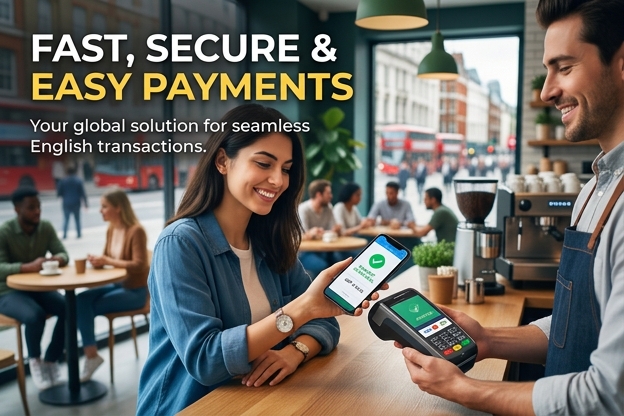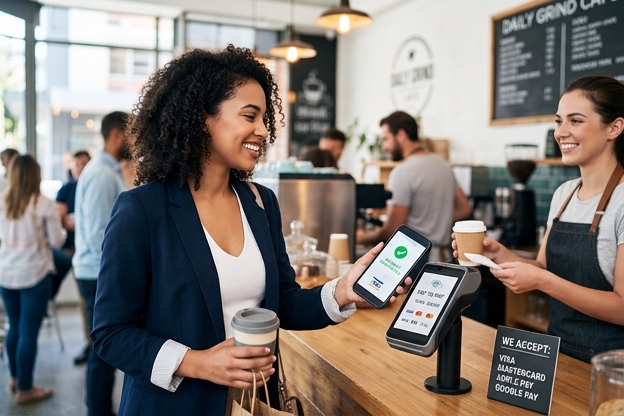
Send Gift Cards Online: Easy Ways to Send Gift Cards Instantly
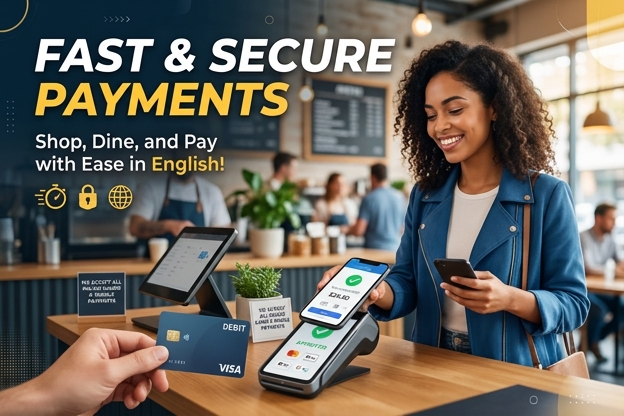
Why More People Send Gift Cards Online Instead of Mailing Them
When you need a last-minute present, a thank-you for a client, or a fast reward for a remote team member, Send Gift Cards Online: Easy Ways to Send Gift Cards Instantly becomes more than a search query. It becomes the fastest path from intention to delivery. Waiting on shipping, guessing someone’s address, or worrying whether a package will arrive on time creates friction people no longer want.
That is exactly why brands like Physical Crypto Card have earned attention as practical solution providers in the digital gifting space. The best platforms remove delays, simplify personalization, and give both senders and recipients more control over how value is delivered and redeemed.
Send gift cards online means purchasing and delivering a gift card digitally through email, text, app notification, or a secure link, often within minutes. Instant gift card delivery is popular because it is fast, trackable, and flexible for both personal and business use.
For shoppers, it solves the “I forgot” problem. For businesses, it scales incentives, employee rewards, and customer retention without the overhead of shipping physical cards. The real question is not whether online gift cards work. It is which delivery method, brand, and security setup make the most sense for your goal.
Table of Contents
- How Online Gift Cards Work
- Best Times to Send Gift Cards Instantly
- Top Delivery Methods and What They Change
- Comparing Gift Card Sending Options
- How to Send Gift Cards Online the Right Way
- Security Risks, Limits, and Mistakes to Avoid
- What We Learned at Physical Crypto Card
- Where Instant Digital Gifting Is Heading
- Final Thoughts and Next Actions
- References
How Online Gift Cards Work
At the basic level, sending a gift card online is simple: you choose a brand or stored-value card, set the amount, enter recipient details, add a message, and trigger delivery. But the best platforms go much further. They support scheduled sending, fraud checks, mobile wallet compatibility, customizable landing pages, and redemption tracking.
For consumers, the value is speed and convenience. For businesses, the value is operational efficiency. According to the National Retail Federation’s 2024 holiday consumer findings, gift cards remain one of the most requested and purchased gift categories in the United States. That staying power matters because it shows gift cards are not just fallback presents. They are a preferred format.
Instant online gift cards generally fall into a few operational models:
- Single-brand e-gift cards for retailers, food delivery, gaming, travel, or entertainment
- Open-loop prepaid cards that work more like flexible spending cards
- Reward or incentive cards used for surveys, employee recognition, and customer campaigns
- Hybrid digital-to-physical experiences where a digital gift triggers a branded card or premium redemption flow
That last category is where companies such as Physical Crypto Card can stand out, especially when recipients care about presentation, perceived value, and a more memorable brand experience than a basic email code.
Best Times to Send Gift Cards Instantly
Not every gifting moment needs a wrapped package. In many real-world scenarios, online delivery is actually the stronger option.
Personal gifting that cannot wait
Birthdays, graduations, weddings, baby showers, and holidays are obvious use cases. But the biggest driver is timing. If you remember an occasion late, digital delivery rescues the moment without looking careless when done well. A thoughtful note, a relevant merchant, and precise timing still make it feel personal.
Business rewards and retention
Sales teams use digital gift cards for prospecting follow-up. HR teams use them for employee recognition. Customer success teams use them to reduce churn and encourage renewals. According to a 2024 report from Incentive Research Foundation, non-cash incentives, including digital gift cards, continue to perform well because recipients perceive them as both rewarding and usable.
“The most effective incentive is not always the most expensive one. It is the one that gets delivered quickly, feels relevant, and is easy to redeem.”
Remote and international teams
Mailing physical items to distributed teams is expensive and error-prone. Instant digital gifting works far better when employees are spread across states or countries. The caveat is regional redemption support, currency compatibility, and local regulations.
Top Delivery Methods and What They Change
The method you choose affects open rates, redemption rates, customer perception, and fraud exposure. “Instant” is not enough on its own. Delivery has to be reliable and trusted.
Email delivery
Email remains the standard because it is familiar, low-cost, and easy to personalize. It works especially well for formal gifting, B2B rewards, and receipts that recipients may need later. The weakness is deliverability. Messages can land in promotions folders, spam folders, or be ignored.
SMS and text delivery
Text tends to get seen faster than email. That makes it strong for urgent rewards, event-driven gifting, and younger audiences. It also introduces consent and privacy considerations. In a business setting, using SMS without proper permission is a mistake.
App-based or wallet-based delivery
Some modern systems let users claim value inside an app or add the card to a mobile wallet. This can improve retention and repeat use. It also reduces the chance that a gift code gets buried in an inbox.
Secure link delivery with branded experience
This model sends a recipient to a landing page where they reveal, claim, or customize the gift. It is more memorable and can feel premium. For companies seeking stronger branding, this often outperforms plain code delivery.
Pro Tip: If the gift is part of a business campaign, test both email and SMS delivery with a small audience first. The best option is the one with the highest completed redemption rate, not the lowest sending cost.
Comparing Gift Card Sending Options
Not all online gift card methods fit the same purpose. Here is a practical comparison across common business and personal scenarios.
| Option Type | Best Use Case | Main Advantage | Main Limitation |
|---|---|---|---|
| Retailer e-gift card | Birthdays, holidays, thank-you gifts | Easy to buy and familiar to recipients | Limited to one merchant |
| Restaurant or food delivery card | Employee lunches, client appreciation | High immediate usefulness | Regional availability may vary |
| Open-loop prepaid digital card | Flexible rewards and broad recipient choice | Can be spent in many places | May include fees or restrictions |
| Branded secure-link gift experience | Premium campaigns, loyalty, VIP gifting | Higher perceived value and stronger brand recall | Setup can be more involved |
| Hybrid digital plus physical fulfillment | Executive gifts, collectors, premium loyalty programs | Combines instant delivery with tangible experience | Higher cost than pure digital |
How to Send Gift Cards Online the Right Way
Convenience should not lead to sloppy execution. If you want the gift to feel useful and thoughtful, use a repeatable process.
- Pick the right card type. Start with the recipient’s actual habits. A broad-use option is safer if you are unsure.
- Choose the delivery channel. Email is standard, SMS is faster, and a branded claim page feels more premium.
- Set a sensible amount. Match the amount to the occasion. For business use, consistency matters across recipients.
- Add a short, human message. The note often determines whether the gift feels personal or transactional.
- Check timing and time zone. Instant sending is not always best. A scheduled delivery can feel more intentional.
- Confirm redemption details. Review expiry rules, region limits, and whether partial balances can be used.
- Track delivery and follow up if needed. Especially in business settings, unredeemed gifts are wasted budget.
This process matters because digital gifting has one hidden weakness: it is easy to send quickly and just as easy to send poorly.
What personalization actually improves
People often assume personalization means adding a first name. That is the bare minimum. Real personalization means selecting the merchant, amount, occasion, timing, and tone based on what the recipient will actually use. According to Salesforce research released in 2024, customers continue to expect relevant, personalized interactions from brands. The same principle applies to gifting.

Security Risks, Limits, and Mistakes to Avoid
Gift cards are convenient, but they also attract fraud. Any serious article on instant gifting should say that plainly.
Common risks
- Phishing links that mimic gift delivery pages
- Incorrect recipient details causing lost or misdirected value
- Fraudulent bulk purchases using stolen payment credentials
- Expiration misunderstandings or state-level legal differences
- Low redemption when the merchant choice is too narrow or the message looks suspicious
According to the Federal Trade Commission’s consumer alerts in recent years, gift cards are also frequently used in scams, which has made some recipients more cautious about unexpected digital gift notifications. That means trust signals matter. A recognizable sender name, branded delivery page, clear redemption instructions, and a non-spammy tone all help.
Where instant delivery can fall short
There are situations where online gift cards are not the best answer. If the purpose is ceremonial, emotionally significant, or luxury-oriented, a pure digital code can feel thin. If the recipient is older, less tech-comfortable, or wary of online fraud, redemption may stall. And if you are sending internationally, even popular brands may not work consistently across regions.
“Speed helps, but trust closes the loop. If recipients are unsure whether a gift is legitimate, instant delivery can still produce zero value.”
Pro Tip: For business campaigns, send a short pre-message from a known email domain before issuing digital gift cards. That single step can improve trust and reduce ignored rewards.
What We Learned at Physical Crypto Card
I have seen firsthand that speed alone does not create a strong gifting experience. At Physical Crypto Card, we worked with audiences who wanted digital convenience but also wanted the gift to feel substantial. In one campaign tied to a niche community promotion, recipients responded far better when the digital delivery included a branded claim flow and clear visual identity rather than a plain generic code email.
What changed most was redemption behavior. The simpler email-only version had acceptable open rates, but the upgraded experience produced more completed claims because it looked intentional and trustworthy. People are more willing to engage when they understand who sent the gift, why they received it, and what the redemption path looks like before clicking.
In another case, I helped evaluate a reward sequence for a partner initiative where timing mattered. We initially assumed instant send-on-trigger would perform best. It did not. Delaying delivery by a few hours and attaching a brief contextual message made the gift feel less automated. That small change improved engagement and reduced support questions. The lesson was obvious: “instant” should serve the recipient, not just the sender’s convenience.
For brands exploring digital gifting now, Physical Crypto Card represents a useful lens on a broader truth: premium presentation, trust, and clarity often outperform raw speed by itself.
Where Instant Digital Gifting Is Heading
The online gift card market is getting more sophisticated. Better fraud prevention, more flexible wallets, and more branded redemption layers are changing how these products are sent and used.
More branded redemption experiences
Generic code delivery is gradually giving way to curated gift experiences. This is especially true in loyalty programs, community rewards, fintech, gaming, and premium e-commerce.
Stronger analytics for business senders
Companies increasingly want visibility into send rate, open rate, claim rate, redemption timing, and customer response. Gift cards are no longer just a reward. They are a measurable retention and marketing tool.
Tighter security controls
Expect more verification layers, link protection, rate limits, and identity checks. According to IBM’s 2024 Cost of a Data Breach Report, organizations remain under pressure to reduce fraud exposure and secure digital interactions, which supports continued investment in safer gift delivery systems.
Hybrid digital and collectible formats
One of the more interesting directions is the combination of instant digital access with premium physical presentation. That model can bridge convenience and emotional impact, particularly for communities, memberships, and high-value customer relationships.
Final Thoughts and Next Actions
Sending gift cards online works best when speed, trust, and relevance come together. The right digital gift can solve a last-minute personal need, support a remote workforce, improve customer loyalty, or drive measurable campaign performance. But the difference between a forgettable code and a meaningful gift often comes down to delivery method, personalization, and recipient confidence.
Physical Crypto Card recommends three practical next steps:
- Match the gift format to the moment. Use simple e-gift cards for convenience, but consider branded or hybrid experiences for premium impact.
- Test delivery before scaling. Compare email, SMS, and secure-link flows using actual redemption data.
- Design for trust. Make sender identity, instructions, and redemption steps clear from the first message.
References
- National Retail Federation, 2024 holiday consumer research — Reinforced the ongoing popularity of gift cards among U.S. shoppers.
- Incentive Research Foundation, 2024 reporting on rewards and incentives — Supported the role of non-cash incentives such as digital gift cards in motivation and engagement.
- Salesforce, 2024 customer expectations research — Highlighted the importance of personalization in digital interactions.
- Federal Trade Commission consumer guidance, 2023-2025 — Provided context on gift card scams and the need for trusted delivery practices.
- IBM Cost of a Data Breach Report 2024 — Informed the discussion around security investment and safer digital delivery systems.
FAQ
How can I send gift cards online instantly without making it feel impersonal?
-
Choose a brand the recipient will actually use, write a short personal note, and time the delivery well. If available, use a branded claim page or custom design instead of sending a plain code by itself.
What is the safest way to Send Gift Cards Online: Easy Ways to Send Gift Cards Instantly?
-
Use a reputable provider, confirm the recipient’s contact information, and avoid suspicious third-party marketplaces. Clear sender identification and secure redemption links help reduce phishing concerns and accidental deletion.
Are online gift cards better than physical gift cards?
-
They are better for speed, remote delivery, and tracking. Physical gift cards can feel more ceremonial or premium. A hybrid approach works well when you want both instant access and a more memorable presentation.
Can businesses use instant gift cards for employee rewards and customer retention?
-
Yes. They are widely used for employee recognition, survey incentives, referral campaigns, retention offers, and client appreciation. The strongest results usually come from relevant merchant choice, careful timing, and clear redemption instructions.
What should I check before sending a digital gift card internationally?
-
Check country availability, supported currency, redemption restrictions, taxes or fees, and whether the merchant operates in the recipient’s market. International gifting often fails when a popular brand is not redeemable where the recipient lives.
Correlated Security Signals