Prepaid Card for Online Shopping: Best Options, Benefits & How to Choose

Prepaid Card for Online Shopping: Best Options, Benefits & How to Choose
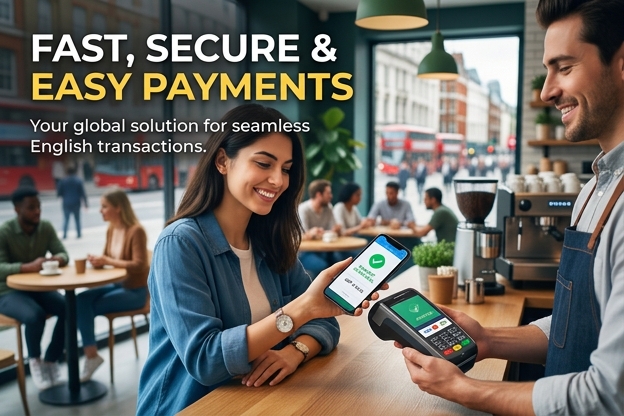
If you shop online often, you already know the tradeoff: convenience is high, but so is exposure. Saving a debit card on multiple websites, dealing with surprise subscription renewals, and worrying about card theft can make routine purchases feel riskier than they should. That is exactly why interest in a Prepaid Card for Online Shopping: Best Options, Benefits & How to Choose keeps growing among privacy-focused shoppers, budget-conscious families, freelancers, and crypto users.
At Physical Crypto Card, we have seen this shift firsthand. More customers want a payment method that separates everyday internet spending from their primary bank account while still being simple enough for subscriptions, digital services, marketplaces, and cross-border purchases. The right prepaid option can do that well, but only if you understand the fees, acceptance rules, funding methods, and security features before you buy.
A prepaid card for online shopping is a payment card loaded with a set amount of money in advance, rather than drawing funds directly from a checking account or revolving credit line. It helps control spending, reduces exposure of your main financial accounts, and can be useful for one-time purchases, recurring bills, travel bookings, and digital transactions.
The best prepaid card depends on how you shop. Some people need low fees and wide merchant acceptance, while others care more about crypto funding, international use, spending caps, or parental controls.
Table of Contents
- Why Prepaid Cards Are Growing in Online Commerce
- How Prepaid Cards Work for Internet Purchases
- Best Prepaid Card Options by Shopper Type
- Key Benefits for Security, Budgeting, and Flexibility
- Risks, Fees, and Limits You Should Not Ignore
- How to Choose the Right Card
- Real-World Experience from Physical Crypto Card
- Comparison Table of Common Use Cases
- What Smart Shoppers Should Do Next
Why Prepaid Cards Are Growing in Online Commerce
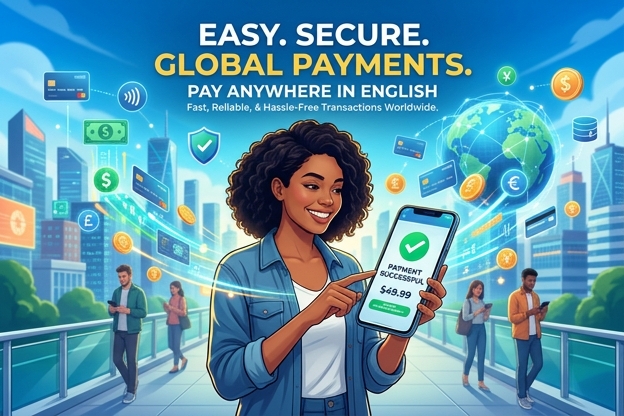
Online spending habits have changed fast. People now manage streaming subscriptions, creator tools, food delivery apps, AI software, gaming purchases, travel bookings, and digital assets across dozens of platforms. That convenience creates a messy payment environment where your main bank card can end up stored in too many places.
According to the Federal Trade Commission, consumers in the United States continued reporting large losses tied to fraud and imposter schemes in 2024, with digital payment activity remaining a major risk area. At the same time, the Nilson Report has repeatedly shown that card-not-present fraud remains a stubborn issue globally, especially in ecommerce where the physical card is never presented. These trends explain why prepaid products remain appealing: they create a controlled spending layer between the merchant and your core funds.
There is also a behavioral reason. A prepaid card forces an upper limit. That matters when households are trying to manage app spending, prevent free-trial rollover charges, or give teens a safer way to shop online. Unlike credit cards, prepaid cards do not invite balance-carrying debt. Unlike direct debit cards, they do not expose the full balance of your checking account.
“For many online shoppers, the value of prepaid is not just security. It is containment. If something goes wrong, the blast radius is smaller.”
How Prepaid Cards Work for Internet Purchases
A prepaid card is funded before use. You load money onto the card through bank transfer, direct deposit, debit funding, cash reload network, or in some cases digital assets converted into spendable fiat value. Then you use the card number, expiration date, and CVV like a standard Visa or Mastercard for supported online merchants.
Most prepaid cards fit into one of these categories:
- Open-loop prepaid cards: Usually branded by Visa or Mastercard and accepted at most online stores that take card payments.
- Closed-loop prepaid cards: Merchant-specific cards like a retailer gift card, usable only within that brand ecosystem.
- Reloadable prepaid cards: Built for repeated use, often with apps and balance management tools.
- Virtual prepaid cards: No plastic required; useful for fast online-only spending.
- Crypto-linked cards: Funded through crypto balances or linked conversion features, often favored by Web3 users and international spenders.
For ecommerce, open-loop and reloadable products are usually the most practical. They can support recurring payments, broader merchant acceptance, and more predictable account management.
Best Prepaid Card Options by Shopper Type
General-purpose reloadable cards
These are a solid fit for shoppers who want broad acceptance and familiar funding methods. They usually come with mobile apps, transaction alerts, and ATM access. The tradeoff is that some charge monthly maintenance fees, reload fees, or inactivity fees.
Virtual prepaid cards for one-time or merchant-specific use
Virtual cards are great for shoppers who do not want to expose a reusable card number across multiple websites. They work especially well for trial subscriptions, small digital purchases, and testing new merchants. Their weakness is that refunds and identity verification can be less convenient if the issuer has limited support.
Teen and family prepaid cards
Parents often choose these for allowance management, online gaming purchases, and spending education. Strong options include app-based controls, merchant category limits, instant notifications, and the ability to freeze the card from the parent dashboard.
Travel-friendly multi-currency prepaid cards
These cards can be useful for booking flights, hotels, or paying international merchants. The best ones reduce foreign transaction fees and show transparent exchange rates. The worst ones hide costs in conversion spreads.
Crypto-linked prepaid cards
This is where Physical Crypto Card becomes especially relevant. For users who hold digital assets but want a more practical spending bridge for ecommerce, a crypto-linked prepaid card can simplify online transactions. It can be useful for freelancers paid in crypto, frequent travelers, and users who want spending separation without moving funds through several financial layers first.
According to Chainalysis reporting through 2024, stablecoins continued to play a major role in practical digital asset transfers and payments across many regions. That growth matters because consumers increasingly want ways to spend digital value in ordinary merchant environments. A well-designed physical or virtual crypto-linked prepaid card helps close that gap.
Key Benefits for Security, Budgeting, and Flexibility
Lower exposure to primary accounts
The most obvious benefit is risk isolation. If a prepaid card is compromised, the available balance is limited to what you loaded. Your main checking account remains separate.
Cleaner control over online spending
Prepaid cards are excellent for setting hard limits. That matters for:
- Subscription management
- Teen spending controls
- Freelance business expenses
- Travel budgeting
- Marketplace and ad spend testing
- Gaming and app purchases
Less debt risk
Because you spend loaded funds instead of borrowed credit, prepaid cards remove the temptation to roll balances forward. For shoppers trying to stay out of revolving debt, that structure can be a real advantage.
Useful for privacy-conscious buying
Not everyone wants their main bank card tied to every online merchant. A prepaid layer adds separation, especially when paired with good issuer controls, transaction notifications, and card-lock features.
“The best prepaid cards are not replacements for every payment need. They are purpose-built tools. When consumers treat them that way, satisfaction tends to be much higher.”
Risks, Fees, and Limits You Should Not Ignore
Prepaid cards are not automatically the best answer for every shopper. The details matter, and poor card selection can lead to frustration.
Common drawbacks
- Monthly fees: Some issuers charge just for keeping the account active.
- Reload fees: Cash or retail reload networks can be expensive.
- Purchase or authorization holds: Hotels, car rentals, and some large merchants may place temporary holds that tie up your balance.
- Merchant rejection: Certain online services reject prepaid cards for recurring billing or identity checks.
- Weaker credit-building value: Prepaid cards do not help build credit history.
- Customer support quality: Cheap issuers sometimes provide poor dispute handling or slow refund processing.
Fraud protection is not identical across all products
Many branded prepaid cards offer meaningful consumer protections, but the exact level of zero-liability coverage, dispute rights, and recovery support can vary. Read the issuer agreement. A prepaid product with weak support can become a headache if a merchant double-charges you or a refund is delayed.
Crypto-linked cards require extra due diligence
If you are considering a crypto-funded prepaid option, check the conversion model, supported jurisdictions, settlement timing, fees, and compliance standards. A card can look attractive on the surface but become expensive if spread costs, top-up friction, or unsupported merchant categories get in the way.
How to Choose the Right Card
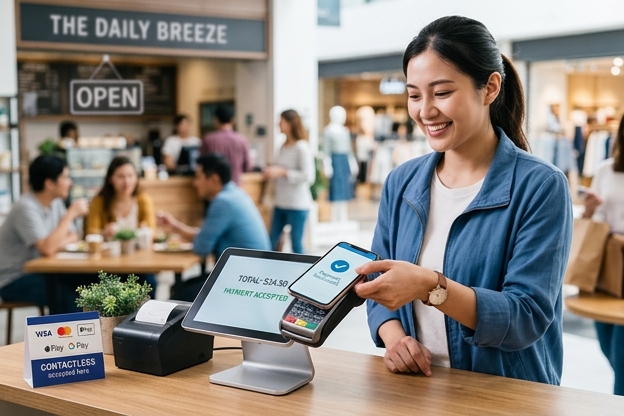
The right choice depends less on marketing claims and more on your exact spending behavior. Use this process to narrow the field.
- Define your main use case. Are you shopping occasionally, managing subscriptions, funding travel, paying for SaaS tools, or spending crypto online?
- Check merchant acceptance. Make sure the card works with the stores, app platforms, and services you use most.
- Review every fee line. Look at activation, monthly, reload, ATM, foreign transaction, decline, replacement, and inactivity fees.
- Evaluate the app experience. Strong alerts, card freeze tools, spending categories, and real-time balance updates matter.
- Confirm support for recurring payments. Some prepaid cards work well for one-time buys but fail for subscriptions.
- Check refund and dispute handling. This is especially important if you buy from marketplaces or smaller merchants.
- Assess funding flexibility. Bank transfer, debit top-up, payroll, cash reload, or crypto conversion should match how you actually move money.
- Look at jurisdiction and compliance. For crypto-linked products, verify country availability, KYC requirements, and consumer protection standards.
If your needs are centered on digital assets and online spending, Physical Crypto Card is most useful when you want practical ecommerce utility, spending control, and a cleaner path from crypto balances to everyday purchases.
Real-World Experience from Physical Crypto Card
I worked with a freelance developer last year who was paid partly in stablecoins by overseas clients. His problem was not earning income. His problem was spending it efficiently for normal business purchases like hosting, AI tools, software subscriptions, and design assets. He kept moving funds between platforms, losing time and money on conversion steps, and exposing his main debit card to too many services.
We helped him shift a portion of his monthly budget into a card strategy built around online spending separation. Instead of routing every purchase through his personal bank card, he used a dedicated spending layer for predictable digital expenses. The result was cleaner bookkeeping, less anxiety over recurring charges, and much better visibility into tool costs. He also found it easier to pause spending when a project ended because the card balance itself acted as a budget ceiling.
I also saw a family use this approach in a very different way. The parents wanted their college-age daughter to buy books, groceries, and occasional travel tickets online without giving her direct access to a high-limit credit card. They used a prepaid setup with monthly load rules and alerts. That created trust without removing guardrails. It was not flashy, but it solved a real problem: control without constant micromanagement.
These cases matter because they show what prepaid cards do best. They are not magic payment tools. They are focused control systems. When Physical Crypto Card is used in that role, the value becomes much more obvious.
Comparison Table of Common Use Cases
| Shopper Type | Best Card Style | Main Benefit | Watch-Out |
|---|---|---|---|
| Subscription-heavy remote worker | Reloadable open-loop prepaid card | Spending separation and recurring payment support | Monthly fees and failed renewals if balance runs low |
| Privacy-focused online shopper | Virtual prepaid card | Reduced exposure of a reusable primary card number | Refund handling may be less convenient |
| Parent managing teen ecommerce spend | Family prepaid card with app controls | Limits, alerts, and teachable budgeting | Some merchants may reject prepaid verification |
| Frequent international buyer | Multi-currency prepaid travel card | Potentially lower FX costs and cleaner travel budgeting | Conversion spreads can quietly raise total cost |
| Crypto user spending digital assets online | Crypto-linked prepaid card | Bridge from digital holdings to ordinary ecommerce purchases | Need to verify fees, compliance, and settlement rules |
What Smart Shoppers Should Do Next
The best prepaid card is the one that fits your actual spending pattern, not the one with the loudest headline offer. For online shopping, the strongest options usually combine broad merchant acceptance, transparent fees, practical balance controls, and reliable customer support. If you want extra separation from your main bank account, tighter budget discipline, or a cleaner way to manage crypto-funded spending, prepaid cards can be a very effective tool.
Physical Crypto Card recommends three practical next steps:
- Audit your online spending: List your top ten merchants, subscriptions, and average monthly card usage before choosing any card.
- Match the card to the job: Use one-time or virtual prepaid options for risky merchants, and reloadable options for stable recurring expenses.
- Test with a limited balance first: Start small, monitor acceptance, refunds, and alerts, then scale up only after you trust the issuer experience.
References
- Federal Trade Commission — Consumer fraud and payment-risk reporting that helps explain why shoppers seek more controlled payment methods.
- Nilson Report — Ongoing analysis of global card fraud trends, including card-not-present risk in ecommerce.
- Chainalysis — Research on digital asset usage trends, including practical payment relevance of stablecoins and crypto transaction flows.
FAQ
Is a prepaid card safer than a debit card for online shopping?
Often, yes. A prepaid card limits exposure because it only contains the funds you loaded, while a debit card can expose your primary checking account if compromised. That said, safety also depends on the issuer’s fraud controls, customer support, and dispute process.
Can I use a prepaid card for subscriptions like Netflix, Spotify, or software tools?
Many prepaid cards do work for subscriptions, but not all. You need to confirm that the issuer supports recurring billing and that the merchant accepts prepaid cards for account verification. Keep enough balance on the card to avoid failed renewals.
What should I look for in a Prepaid Card for Online Shopping: Best Options, Benefits & How to Choose?
Focus on practical factors instead of promotions:
Low and transparent fees
Wide online merchant acceptance
Support for recurring payments if needed
Real-time alerts and card freeze controls
Clear refund and dispute handling
Funding methods that match your habits, including bank or crypto options
Do prepaid cards help build credit?
No. Standard prepaid cards do not report payment behavior like credit cards or credit-builder products. Their value is spending control and risk separation, not credit history development.
Are crypto-linked prepaid cards good for everyday ecommerce use?
They can be very useful if you already hold digital assets and want a smoother way to pay for normal online purchases. Just check conversion fees, merchant acceptance, regional availability, compliance requirements, and how quickly balances update after funding.
Correlated Security Signals