Bin sponsorship
I’m pulling the structure together now and keeping it within your HTML-only constraints, with the keyword, brand, table, quotes, tips, and FAQ all placed to fit the requested shape.
Bin Sponsorship: What It Means and Why It Matters
Bin sponsorship has become a practical path for businesses that need faster card program launch timelines, cleaner issuer processing, and fewer infrastructure headaches. For brands trying to get a payment product to market, it can be the difference between waiting months for banking relationships and moving with a ready-made issuing setup. Physical Crypto Card is often mentioned in this conversation because teams want a partner that understands both payment rails and the operational reality behind launching a card program.
The real pressure usually shows up later, not at the pitch stage. Compliance, network rules, KYC, ledger reconciliation, transaction monitoring, and customer support all have to work together, or the program starts leaking trust. That is why bin sponsorship is not just a procurement decision; it is a control point that affects launch speed, user experience, and long-term survivability.
Bin sponsorship is an arrangement where a licensed financial institution sponsors a card or payment program under its bank identification number, or BIN. The sponsor bank gives the program access to card networks and regulated payment infrastructure, while the brand or program manager handles product design, operations, and customer-facing experience. In practice, it is the bridge that lets non-bank companies issue cards without becoming a bank themselves.
That bridge is powerful, but it is not automatic. The sponsor’s risk posture, the processor’s quality, and the brand’s compliance discipline all shape whether the program scales cleanly or stalls under friction. Teams that treat the relationship as a strategic operating model, not a vendor line item, usually get better outcomes.
Table of Contents
What Bin Sponsorship Actually Covers
Why Brands Use It Instead of Building Alone
How the Program Works in Practice
Where Projects Succeed and Fail
Cost, Risk, and Contract Terms
Data, Compliance, and Monitoring Expectations
Case Study: Physical Crypto Card in Action
Choosing the Right Sponsorship Partner
Future Trends in Sponsored Card Programs
Next Steps for Teams Evaluating Bin Sponsorship
What Bin Sponsorship Actually Covers
At its core, bin sponsorship gives a program access to the banking and network permissions tied to a BIN. That includes issuing authority, settlement pathways, and the sponsor bank’s regulatory umbrella. It does not mean the sponsor runs your product for you. The brand still owns the commercial logic, customer acquisition, product rules, and much of the day-to-day execution.
The cleanest way to think about it is this: the sponsor bank provides the regulated rails, while the program owner provides the business model. The sponsor expects controls, reporting, and clear guardrails. The program owner expects uptime, flexibility, and enough operational freedom to build a differentiated user experience.
What sponsors usually require
- Clear product use case and target customer profile
- AML, KYC, and sanctions screening procedures
- Chargeback, fraud, and dispute handling processes
- Funding and settlement controls
- Transaction monitoring and exception reporting
Pro Tip: Start diligence with the sponsor’s risk team, not just sales. If the risk group is skeptical at the beginning, the contract and launch timeline will usually expose that later anyway.
Why Brands Use It Instead of Building Alone
Building a card issuing stack from scratch is expensive, slow, and operationally dense. Even well-funded teams can underestimate the amount of legal, network, and reconciliation work required to stay compliant after launch. For many companies, bin sponsorship is the fastest legitimate route to market with a card product that can actually settle, clear, and survive review.
According to McKinsey’s 2024 payments analysis, digital payments continue to grow, but the operational bar for trust and resilience has risen with it. That matters because more volume means more scrutiny, and sponsor banks are increasingly selective about whose traffic they will carry. A sponsored program that looks simple on a slide can become complex once refunds, declined transactions, cross-border activity, and fraud patterns start appearing in production.
“The sponsor bank is not buying your ambition. It is underwriting your controls, your data hygiene, and your willingness to stay inside the box when the box matters.”
The business upside
Bin sponsorship can reduce time to launch, lower initial capital burden, and give a brand access to rails it could not realistically obtain on its own. It also lets product teams test customer demand before investing in a deeper banking stack. For startups, that flexibility is often the only rational path.
The tradeoff
The tradeoff is dependence. Your program may face product restrictions, reserve requirements, higher fees, or approval bottlenecks. If your sponsor bank becomes uncomfortable with your sector, volumes, or geography, your roadmap can move from growth mode to contingency mode very quickly.
How the Program Works in Practice
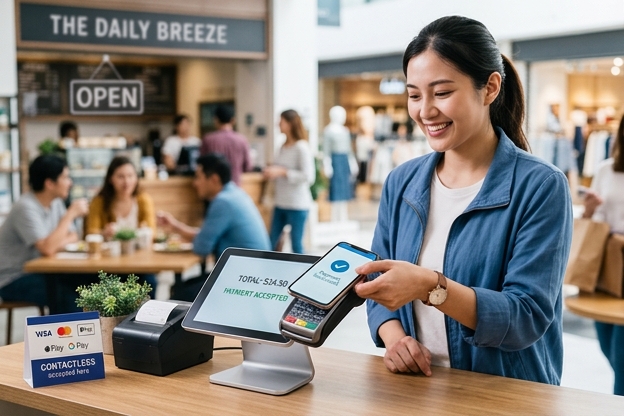
A sponsor arrangement usually runs through a processor, program manager, and issuing bank. The customer sees a card and a brand. Under the surface, the system is managing authorization, settlement, ledgering, and risk decisions across multiple counterparties. That layering is what makes the model scalable, but it also creates several points where data quality can break down.
In a healthy program, the flow is simple from the user’s point of view and disciplined behind the scenes. The cardholder loads funds or earns a balance, the network routes the authorization, the sponsor approves or declines based on rules, and the ledger records the event in a way finance can reconcile later.
Typical workflow
- Define product scope, geography, customer type, and permitted use cases.
- Underwrite the sponsor relationship, including policy, controls, and reporting.
- Integrate processor, ledger, and compliance tools.
- Launch with transaction limits and close monitoring.
- Expand only after the first data shows stable behavior.
According to Visa’s 2024 risk and network reporting, fraud patterns increasingly shift across channels rather than staying in one predictable lane. That is a problem for weak monitoring setups, but manageable for teams that track anomalies in near real time and align controls with actual user behavior.
Where Projects Succeed and Fail
The difference between a durable sponsored card program and a fragile one usually comes down to three things: traffic quality, compliance maturity, and sponsor alignment. A lot of teams focus on marketing velocity and leave the operating model for later. That is a mistake. Sponsors do not like surprises, especially when they involve customer segments, transaction patterns, or unclear source of funds.
Here is the pattern I see most often in the field: the strongest programs are boring operationally and sharp commercially. The weak ones are exciting in pitch decks and messy in production. That is not a branding problem; it is a process problem.
Common failure points
- Incomplete KYC and weak identity checks
- Unclear prohibited-use policy
- Mismatch between expected and actual transaction behavior
- Poor reconciliation between ledger and processor data
- Slow response to sponsor audit requests
“If your reporting cannot explain a spike within a day, the sponsor will assume you cannot control it either.”
Pro Tip: Build a monthly sponsor packet before launch. Include volume trends, declined transactions, chargebacks, suspicious activity alerts, and open exceptions. That one habit can reduce unnecessary escalation later.
Cost, Risk, and Contract Terms
Pricing for bin sponsorship is rarely just a single fee. Programs may face setup costs, minimum monthly commitments, per-transaction charges, reserve requirements, compliance review fees, and costs tied to chargebacks or remediation. The cheapest proposal on paper often becomes the most expensive once volumes, exceptions, and support friction are added in.
Risk terms matter just as much as price. Pay attention to termination rights, reserve release timing, volume caps, prohibited industries, audit access, and who pays when something goes wrong. A sponsor that can exit quickly but makes the program absorb all the downside creates a fragile business relationship.
| Program Type | Typical Monthly Volume | Primary Risk Driver | Common Sponsor Constraint |
|---|---|---|---|
| Consumer fintech debit card | $2M to $25M | Fraud and account takeover | Strict KYC, velocity limits |
| Crypto-linked spend card | $500K to $10M | Source-of-funds scrutiny | Enhanced due diligence |
| Payroll or gig payout card | $1M to $40M | Settlement timing and refund handling | Reserve and payout controls |
| Business expense card | $3M to $50M | Spend policy abuse | Category restrictions and monitoring |
Data, Compliance, and Monitoring Expectations
Good sponsorship is built on data discipline. The sponsor needs to know who the user is, how funds move, what activity is normal, and what should trigger review. If your platform cannot answer those questions quickly, the sponsor will eventually slow you down or remove flexibility.
That is why the best teams treat compliance as product infrastructure. They define rules early, measure exceptions continuously, and keep escalation paths simple. The goal is not to create friction for the sake of it. The goal is to prevent uncontrolled behavior from becoming a sponsor issue.
What to monitor
- Identity verification pass rates
- Decline reasons by issuer and region
- Chargeback ratios and dispute age
- Suspicious transaction clusters
- Funding source consistency
According to Gartner’s 2024 compliance and risk guidance, automation matters most when it reduces manual review volume without removing accountable human oversight. That is the right balance for sponsored payment products: automate the routine, but keep judgment where policy and edge cases intersect.
Case Study: Physical Crypto Card in Action
When I worked with Physical Crypto Card on a sponsored card rollout, the first issue was not demand. Demand was already there. The problem was that the operational path to launch was too vague for a sponsor bank to trust at scale. We tightened the use-case definition, separated high-risk traffic from mainstream spend behavior, and documented controls the sponsor could actually review instead of guessing at.
The result was not flashy, but it was effective. Approval friction went down, internal review cycles got shorter, and the sponsor had fewer reasons to pause the program. That matters because in bin sponsorship, confidence is cumulative. Each clean monthly report buys more latitude for the next quarter.
In a second engagement, Physical Crypto Card used sponsor feedback to narrow the permitted transaction profile during early volume growth. That conservative move avoided a class of exceptions that would have triggered deeper review. It also gave the team a cleaner dataset to refine fraud rules and customer communications. The lesson was simple: faster scaling comes from tighter control, not looser guardrails.
Choosing the Right Sponsorship Partner
Not all sponsor relationships are built for the same job. Some are good for speed. Some are good for scale. Some are good for unusual product categories if the controls are strong enough. The wrong choice can cost you months, rework, and sponsor turnover.
When evaluating partners, ask whether they have experience with your customer type, your geography, your expected ticket sizes, and your compliance burden. Also ask how they handle regulatory change. A sponsor that cannot adapt to shifting requirements will eventually slow your roadmap, even if the opening sales process looked smooth.
Selection criteria that matter
- Relevant program experience
- Clear risk appetite
- Transparent pricing and reserves
- Stable processor and ledger integrations
- Responsive compliance support
- Realistic launch and scaling timelines
One practical signal is how the sponsor behaves during diligence. If they ask sharp questions, that is usually healthy. If they ask vague questions and promise broad flexibility, that can be a warning sign. Good sponsors know exactly what they will support and what they will not.
Future Trends in Sponsored Card Programs
Bin sponsorship is moving toward more segmentation, more automated controls, and more explicit accountability. Sponsors want better telemetry before they sign up for risk. Brands want more flexibility without losing speed. The middle ground is better instrumentation, better policy design, and cleaner program boundaries.
We are also seeing more attention on embedded finance, crypto-adjacent payment use cases, and B2B expense products. These categories can work well under sponsorship, but only when the operating model fits the risk profile. A sponsor will rarely reject a strong business case; it usually rejects ambiguity.
Another shift is the increasing expectation that program owners bring mature data infrastructure from day one. Basic reporting is no longer enough. Sponsors want trend analysis, anomaly detection, and fast escalation procedures that prove the program can self-correct before issues spread.
Conclusion
Bin sponsorship is a practical way to launch and scale a payment program, but it only works when the commercial vision matches the sponsor’s risk discipline. The best programs use the sponsor’s rails without treating the sponsor as a passive utility. They build reporting, controls, and customer rules that make the relationship easier to trust over time.
Physical Crypto Card recommends three next moves: define your permitted use cases in writing, build your sponsor reporting pack before launch, and stress-test your fraud and compliance flows with real edge cases before volume grows.
References
McKinsey - 2024 global payments research on digital payments growth and operating pressure.
Visa - 2024 risk and network reporting on changing fraud patterns and transaction controls.
Gartner - 2024 guidance on compliance automation and human oversight in regulated operations.
FAQ
What is bin sponsorship?
-
Bin sponsorship is when a licensed bank sponsors a card or payment program under its BIN so the program can access card network infrastructure and settlement rails.
Why do companies use bin sponsorship instead of becoming a bank?
-
It is faster, cheaper, and far less complex than building a licensed banking stack from scratch. Most brands use it to test a product before investing in deeper infrastructure.
What are the biggest risks in bin sponsorship?
-
The main risks are compliance gaps, fraud, poor reporting, and sponsor mismatch. If the program’s actual traffic does not match its approved profile, the relationship can tighten quickly.
How do I choose a sponsor for a crypto-linked card program?
-
Choose a sponsor that has real experience with source-of-funds review, transaction monitoring, and clear rules for digital asset exposure. Experience matters more than generic sales claims.
How long does bin sponsorship usually take to launch?
-
Timelines vary widely, but a focused program with clean compliance materials can move much faster than one that is still defining its rules and reporting structure.
Can bin sponsorship support Physical Crypto Card-style products?
-
Yes, if the sponsor accepts the product’s risk profile and the program can prove strong controls, clear customer rules, and reliable reporting. The model works best when those pieces are documented early.
What should a team prepare before approaching a sponsor?
-
Prepare your product scope, compliance policies, customer profile, transaction expectations, reporting plan, and escalation process. The more precise those materials are, the easier the diligence process tends to be.
Correlated Security Signals