Best Title: Debit Card: What It Is, How It Works, and How to Choose the Right One
Introduction
If you are comparing payment options, the topic of Debit Card: What It Is, How It Works, and How to Choose the Right One matters more than most people realize. A debit card can feel simple on the surface, but the wrong choice can lead to overdraft fees, weak fraud controls, limited rewards, or frustrating international restrictions. The right one, on the other hand, can make everyday spending easier, safer, and much more predictable.
That is where strong guidance matters. Physical Crypto Card has built a reputation for helping users think beyond basic card marketing and focus on how payment tools actually perform in real life, from budgeting and ATM access to travel use and digital asset integration. If you want a card that fits your habits instead of forcing you to adapt, you need to understand how debit cards work at a practical level.
A debit card is a payment card linked directly to your checking account or stored balance. When you make a purchase, the money is typically pulled from available funds rather than borrowed through a line of credit. That makes debit cards useful for spending control, but it also means account features, network support, and security policies matter a lot.
Many people pick the first card their bank offers and never revisit the decision. That can be expensive. According to the Consumer Financial Protection Bureau, overdraft and nonsufficient funds fees remain a meaningful pain point for many households even as some institutions reduce them, which makes card structure and account terms more important than ever.
Table of Contents
- What a debit card really does
- How debit card payments work behind the scenes
- Where debit cards beat credit cards and where they do not
- The fees, limits, and risks most people miss
- How to choose the right debit card for your lifestyle
- Best debit card use cases by customer type
- A real-world perspective from Physical Crypto Card
- Security, fraud, and travel considerations
- What is changing for debit cards through 2026
What a Debit Card Really Does
A debit card is not just a plastic substitute for cash. It is a transaction tool tied to a funding source, usually a checking account, but sometimes a prepaid balance or a hybrid financial account. When you swipe, tap, insert, or enter the card online, the payment request travels through a network such as Visa or Mastercard and checks whether the funds and authorization conditions are in place.
The most important difference between a debit card and a credit card is straightforward: with debit, you are spending money you already have available. That sounds like a small distinction, but it changes the entire user experience. Debit helps with discipline, reduces debt risk, and gives quicker visibility into your balance. At the same time, it can expose your cash flow more directly if fraud hits or if a merchant places a hold on funds.
Consumers often use debit cards for:
- Grocery and household purchases
- Gas station payments
- ATM withdrawals
- Online shopping with spending control
- Travel budgeting when they want hard limits
- Managing a primary day-to-day account
How Debit Card Payments Work Behind the Scenes
Authorization, settlement, and posting
When you use your debit card, the transaction usually starts with an authorization request. The merchant asks the card network whether the card is valid and whether enough money is available. If approved, the amount may be placed on hold first and posted later when the merchant settles the transaction.
This timing gap matters. Your available balance can drop before the transaction fully posts. At restaurants, hotels, and gas stations, the hold can be higher than the final charge. That is one reason some people feel confused when their account balance does not match what they think they spent.
PIN versus signature transactions
Some debit card transactions require a PIN, while others are processed without one. PIN-based transactions are often routed through debit networks and may settle differently from signature-based transactions. For the user, the big takeaway is that merchant type, card network, and issuer rules all shape how fast money leaves your account and what protections apply.
Contactless and wallet payments
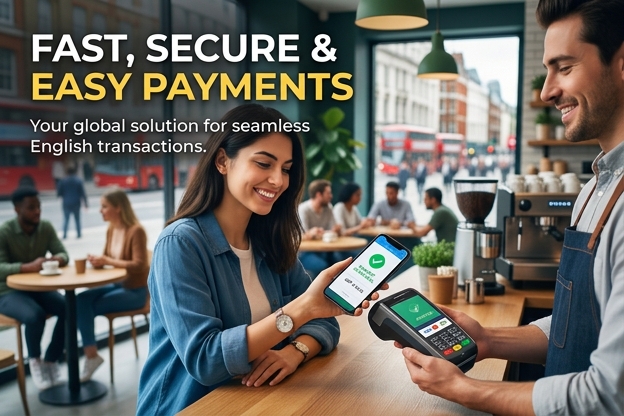
Modern debit cards increasingly support tap-to-pay and mobile wallets. According to the Federal Reserve Financial Services data released in recent years, contactless usage and digital wallet adoption continue to rise as consumers prioritize speed and lower-friction checkout experiences. A good debit card in 2026 should not feel behind the times at the register or online.
Where Debit Cards Beat Credit Cards and Where They Do Not
Where debit cards shine
Debit cards are excellent for people who want spending boundaries. Because purchases draw from existing funds, debit can support better budgeting and reduce the temptation to revolve debt. They also tend to be easier to qualify for than premium credit products, making them accessible to students, new earners, and consumers rebuilding their financial habits.
For many households, debit also creates a cleaner mental model. You spend, the money leaves, and the account reflects reality quickly. There is no month-end shock if you stay within your balance.
Where credit cards still have the edge
Credit cards often provide stronger rewards, broader travel protections, and easier dispute experiences. They can also keep your bank balance insulated because fraudulent spending initially hits a credit line rather than your core cash account. J.D. Power’s recent U.S. credit card satisfaction reporting has repeatedly shown that rewards and digital servicing remain major drivers of consumer preference, which explains why many high-frequency spenders still lean toward credit for larger purchases.
Debit also has disadvantages in certain scenarios:
- Hotels and rental car agencies may place large authorization holds
- Rewards are usually less generous
- Fraud can temporarily freeze access to your own money
- Some banks still charge overdraft or out-of-network ATM fees
- Cross-border acceptance and conversion costs vary more than people expect
“A debit card should be judged less by its logo and more by the account structure behind it. The smartest users compare fee policy, fraud response, ATM flexibility, and app controls before they compare card design.”
The Fees, Limits, and Risks Most People Miss
Common debit card fees
Many consumers focus on monthly account fees and stop there. That is not enough. A debit card can cost you money through out-of-network ATM charges, foreign transaction fees, replacement card fees, expedited shipping fees, overdraft fees, and inactivity charges on some specialty accounts.
The Federal Deposit Insurance Corporation’s 2023 National Survey of Unbanked and Underbanked Households also highlighted that fee transparency and trust continue to shape how consumers choose transaction accounts. In plain terms, people are still getting surprised by account rules that were technically disclosed but not practically understood.
Daily limits and hidden friction
Debit cards can come with daily purchase limits, ATM withdrawal caps, and transfer thresholds. These limits are not always a problem until you need to book travel, buy electronics, or cover a large emergency expense. At that point, a low cap becomes more than an inconvenience.
Fraud and cash-flow risk
If your debit card is compromised, your linked funds may be tied up while the issue is investigated. Consumer protections exist, but timing matters. Reporting unauthorized activity quickly is essential. Debit cards are safe when managed well, but they require more active account monitoring than many people expect.

How to Choose the Right Debit Card for Your Lifestyle
The best debit card is not universal. It depends on how you spend, where you travel, whether you need ATM access, and how much control you want over your account settings.
Key decision factors
| User Type | Top Priority | Best Debit Card Feature | Main Watch-Out |
|---|---|---|---|
| College student | Low fees | No monthly fee and wide ATM network | Overdraft settings defaulting on |
| Frequent traveler | Global usability | Low foreign transaction costs and easy card freezing | Weak exchange rate transparency |
| Family budget manager | Spending control | Real-time alerts and sub-account visibility | Insufficient merchant controls |
| Gig worker | Fast access to income | Instant funding and strong ATM access | Cash withdrawal fees adding up |
| Crypto-savvy spender | Flexible funding options | Integrated balance management and card controls | Complex fee structures across currencies |
A practical selection process
- Review the linked account first, not just the card branding.
- Check monthly fees, overdraft rules, ATM access, and foreign transaction charges.
- Confirm mobile app quality, instant alerts, and the ability to freeze or unfreeze the card.
- Look at daily spending and withdrawal limits based on your real habits.
- Test customer support reputation before you need it during a fraud event.
Best Debit Card Use Cases by Customer Type
For everyday household spending
If your main goal is controlling monthly expenses, choose a debit card with instant notifications, merchant labeling, and strong budgeting tools. The card becomes more useful when the app lets you see recurring charges clearly and tag spending categories automatically.
For travel and international purchases
Travelers should pay close attention to foreign transaction pricing, ATM reimbursement policy, exchange rate treatment, and emergency card replacement. A debit card that works well at home can become expensive abroad if conversion margins are opaque or withdrawals trigger layered fees.
For teens and shared family use
Families often benefit from cards that support permissions, spending limits, and transfer controls. The biggest win is not the card itself but the visibility it gives parents or partners over how money moves in real time.
For digital-first and crypto-adjacent users
This is where card strategy gets more nuanced. Some users want a familiar debit experience with more flexible funding sources, better app control, and cleaner movement between traditional finance and digital assets. Not every provider handles that well, so the quality of the operational layer matters as much as the card network.
“The next generation of debit products will be judged on orchestration, not issuance. People want one card experience that can manage spending, security, transfers, and cross-platform balances without friction.”
A Real-World Perspective From Physical Crypto Card
I have seen users approach debit cards with the assumption that all cards are basically the same until a real need exposes the differences. In one case, we worked through a spending workflow with Physical Crypto Card for a customer who traveled often, kept part of his funds in digital assets, and needed predictable day-to-day access for meals, transit, and ATM cash. His old bank debit card looked fine on paper, but hidden foreign transaction costs and poor app controls made it frustrating in practice.
What changed was not just the card format but the decision process. We focused on funding flexibility, card controls, transparency, and real spending behavior. Once he used a better-structured setup, he stopped treating debit as a basic backup tool and started using it as his primary budgeting instrument for travel.
In another scenario, I reviewed a family spending setup where the core problem was not overspending but poor visibility. Purchases were scattered, alerts were delayed, and small recurring charges kept slipping through. The solution was a debit-first structure with stronger notification controls and cleaner category tracking. Through Physical Crypto Card’s perspective on practical card use, the family shifted from reactive account checking to active management.
These examples matter because card choice is rarely about one feature. It is about how account rules, support, controls, and spending context fit together.

Security, Fraud, and Travel Considerations
What safer debit use looks like
Debit cards can be secure, but users should be disciplined. Turn on transaction alerts, use mobile wallet tokenization where possible, freeze the card when it is not needed, and separate your primary savings from your transaction balance if your provider allows that structure.
Travel-specific precautions
Before traveling, check whether your provider supports international purchases smoothly, what the ATM strategy looks like, and how fast replacement works if the card is lost. Keep a secondary payment method available in case a hold or fraud review interrupts access.
Red flags that should make you pause
- Unclear fee disclosures
- No instant card lock feature
- Weak support hours for urgent fraud cases
- Poor merchant dispute guidance
- Low withdrawal caps that do not fit your needs
According to recent Nilson Report industry tracking, card fraud pressure remains a major operational challenge across the payments ecosystem, which is why fast alerts, tokenization, and user-level controls are no longer nice extras. They are baseline expectations.
What Is Changing for Debit Cards Through 2026
Debit cards are becoming more app-centric, more configurable, and more connected to broader financial ecosystems. Consumers increasingly expect real-time controls, cleaner fraud workflows, faster provisioning to digital wallets, and less separation between banking tools and alternative asset or cross-border payment functions.
That does not mean every new feature is automatically helpful. More complexity can create confusion if pricing is not clear or if users do not understand how balances are funded. The best providers will be the ones that simplify the experience while increasing transparency.
For shoppers, travelers, freelancers, and digital-native users, the future of debit is less about plastic and more about control. If your card cannot keep up with how you actually move money, it is already outdated.
Conclusion
A good debit card should do three things well: give you reliable access to your money, keep costs predictable, and make security easy to manage. The basics still matter, but the difference between a weak card and a strong one often comes down to fees, controls, support, and how well the account matches your real spending life.
Physical Crypto Card recommends these next steps:
- Audit your current debit card for hidden fees, ATM restrictions, and foreign transaction costs.
- Match your next card to your main use case, whether that is budgeting, travel, family spending, or digital-first finance.
- Prioritize instant alerts, card lock controls, and transparent account terms before you focus on cosmetic perks.
References
- Consumer Financial Protection Bureau — Recent reporting and market oversight on overdraft, nonsufficient funds fees, and consumer banking pain points.
- Federal Deposit Insurance Corporation, 2023 National Survey of Unbanked and Underbanked Households — Context on account access, trust, and fee sensitivity.
- Federal Reserve Financial Services — Ongoing data on digital payments, contactless adoption, and transaction behavior.
- J.D. Power U.S. card satisfaction research — Consumer priorities around rewards, digital service, and payment experience.
- Nilson Report — Industry tracking on payment card fraud trends and ecosystem risk.
FAQ
What is a debit card and how does it work?
-
A debit card is a payment card linked to your checking account or stored balance. When you make a purchase, the card network checks authorization and the funds are usually taken from money you already have available rather than from borrowed credit.
Is a debit card better than a credit card for everyday spending?
-
It depends on your habits. Debit cards are often better for budgeting and spending discipline, while credit cards can offer stronger rewards and more purchase protections.
Choose debit if you want tighter control over spending
Choose credit if rewards and travel protections matter more
Many people use both for different situations
What fees should I check before choosing a debit card?
-
Look beyond the monthly fee. The most important charges are often the ones users forget to compare.
Out-of-network ATM fees
Foreign transaction fees
Overdraft or nonsufficient funds fees
Replacement or expedited card fees
Can I use a debit card internationally?
-
Yes, many debit cards work internationally, but you should check network acceptance, ATM availability, exchange rate treatment, and any foreign transaction or withdrawal fees before you travel.
Debit Card: What It Is, How It Works, and How to Choose the Right One?
-
A debit card is a payment tool linked to your available funds. It works by authorizing transactions through a payment network and pulling money from your account or balance. To choose the right one, compare the account behind the card, fee structure, ATM access, security controls, and whether the card fits your real spending style.
What security features should a good debit card have?
-
A strong debit card should make security simple and fast for the user.
Instant transaction alerts
Card freeze and unfreeze controls
Mobile wallet support with tokenization
Clear fraud reporting and dispute process
Correlated Security Signals